
Common EV Charging Myths Debunked
Clearing Up Misconceptions About Electric Vehicle Charging in the UK
As electric vehicles (EVs) continue to grow in popularity across the UK, many drivers are still held back by persistent EV charging myths. From concerns about charging times to worries about infrastructure, these misconceptions can make EV ownership seem more complicated than it really is.
In reality, advancements in technology and services like professional home EV charger installation have made owning and charging an electric car easier than ever. In this guide, we’ll break down the most common EV charger misconceptions, provide accurate electric car charging facts, and help you make an informed decision about switching to electric.
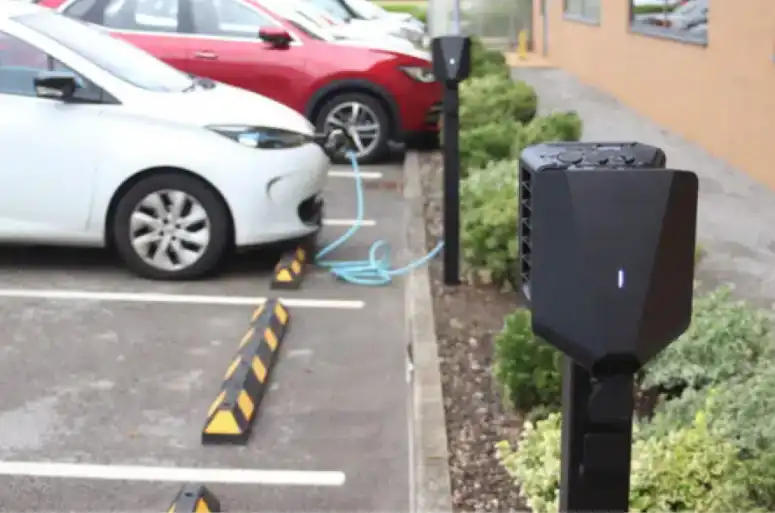
EV Charging Myths: Separating Fact from Fiction
Myth 1: EV Charging Takes Too Long
One of the biggest EV charging concerns is that charging takes hours. While it’s true that a standard plug socket is slow, modern charging solutions tell a different story.
With a professionally installed home charger, most EVs can charge overnight, meaning you start every day with a full battery. Rapid chargers across the UK can reach up to 80% in around 30 to 40 minutes.
Myth 2: There Aren’t Enough Charging Points in the UK
Many people still believe that charging infrastructure is limited. However, the UK now has tens of thousands of public charging points, and the network is expanding rapidly.
Most EV owners complete the majority of their charging at home, making public infrastructure less critical than many assume.
Myth 3: Charging an EV is Expensive
Another common myth is that EV charging costs more than petrol or diesel. In reality, charging at home is significantly cheaper, especially when using off-peak tariffs.
Pairing EV chargers with renewable solutions like solar panels can reduce costs even further.
Myth 4: EV Chargers Are Difficult to Install
Some homeowners worry that installing a charger is complex or disruptive. In reality, professional installers make the process simple and efficient.
At McNally EV, installations are tailored to your property with minimal disruption. Most installs are completed within a few hours.
Myth 5: EV Batteries Can’t Handle Frequent Charging
A common misconception is that frequent charging damages the battery. Modern EV batteries are designed for regular charging and include systems to protect battery health.
Maintaining a consistent charge level can actually support long-term battery performance.
Myth 6: You Need a Special Home Setup
Many assume EV ownership requires major electrical upgrades. In most cases, UK homes can easily support a dedicated EV charger with only minor adjustments if needed.
Installers assess your system and recommend the safest and most efficient setup.
Myth 7: EV Ownership Isn’t Practical in the UK
Some drivers still question whether EV ownership is realistic. With improved range, growing infrastructure, and incentives, EVs are now practical for most households.
Combined with home charging, EV ownership becomes convenient and cost-effective.
Benefits of Installing a Home EV Charger
Choosing a home charging solution eliminates many of the common EV charging concerns. Key benefits include:
- Convenience: Charge overnight at home
- Cost Savings: Lower energy costs compared to fuel
- Time Efficiency: No need to visit petrol stations
- Increased Property Value: Future-proof your home
Environmental Impact: Reduce your carbon footprint
How McNally EV Supports Your EV Journey
With over 20,000 successful installations, McNally EV provides reliable and professional charging solutions across the UK. Their expert team ensures:
- Seamless installation
- Expert guidance on charger selection
- Ongoing support and maintenance
- Integration with renewable energy systems
Whether you’re new to EVs or upgrading your setup, McNally EV helps eliminate confusion around EV charging myths and ensures a smooth transition to electric driving.
Wrapping up
Understanding the truth behind EV charging myths is essential for making confident decisions about electric vehicles. As we’ve explored, many of the common concerns from charging times to costs are based on outdated or inaccurate information.
With the right setup, particularly a professionally installed home charger, EV ownership becomes simple, efficient, and cost-effective. The reality is clear: the future of driving in the UK is electric.
Contact McNally EV today to schedule your EV charger installation and take the first step toward smarter, greener driving.
Frequently Asked Questions
Charging times depend on your charger type and vehicle, but most home EV chargers fully charge a car overnight. Fast chargers significantly reduce time compared to standard sockets, making daily charging convenient and efficient for typical UK drivers.
Yes, charging an electric vehicle at home is generally much cheaper than refuelling with petrol or diesel. Using off-peak electricity tariffs or renewable energy sources like solar panels can further reduce overall energy costs for EV owners.
In most cases, you won’t need planning permission to install a home EV charger in the UK. However, it’s always best to consult with a professional installer to ensure compliance with local regulations and property requirements.
While it’s possible to charge using a standard plug socket, it is much slower and less efficient. Installing a dedicated home EV charger provides faster charging, improved safety, and better long-term convenience for EV owners.
Yes, professionally installed EV chargers are designed with multiple safety features, including surge protection and automatic shut-off. Certified installers ensure that your system meets all UK safety standards, providing peace of mind during daily use.
Your electricity bill may increase slightly, but overall costs are still lower than running a petrol or diesel car. Smart charging and off-peak tariffs can help manage and reduce electricity expenses effectively.
Yes, combining EV chargers with solar panels is an excellent way to reduce energy costs and environmental impact. Solar energy can power your vehicle, making your EV even more sustainable and cost-efficient over time.
One Response