
What Happens If Everyone Switches to Electric Cars?
Introduction
The UK is moving rapidly towards a greener, low-carbon transport future, and electric vehicles are at the heart of that transition. With the government’s commitment to phase out new petrol and diesel cars in the coming years, the question many people are asking is: what happens if everyone switches to electric cars? How will mass EV adoption in the UK affect energy supply, EV charging demand, and the electric car charging infrastructure we rely on?
This article explores what large-scale EV adoption could mean for the UK’s energy grid, charging networks, and everyday drivers and what needs to happen now to prepare.
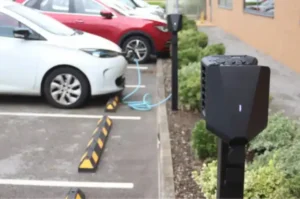
Exploring the Impact of Mass EV Adoption on the UK’s Energy and Charging Networks
If the majority of UK drivers switched to electric cars, it would fundamentally change how energy is produced, distributed, and consumed. The increase in EV charging demand would require upgrades to the electricity grid, rapid expansion of EV charging stations, and widespread behavioural shifts among drivers.
While this transition presents challenges, it also offers significant opportunities to build a cleaner, more resilient transport and energy system.
Rising Demand for EV Charging Stations
One of the most immediate impacts of mass EV adoption will be a significant increase in the need for EV charging stations across the country.
More Home Charging Solutions
Most EV owners currently prefer charging at home because it’s convenient and cost-effective. As adoption increases, demand for home EV charger installations will surge, especially for properties with off-street parking.
Public Charging Expansion
Not everyone has access to a driveway, meaning public EV charging infrastructure will play a crucial role. Expect to see:
- More on-street charging points in residential areas
- Rapid charging hubs near major roads
- Workplace charging becoming standard
- Expanded charging options at supermarkets, car parks, and leisure destinations
Investing in robust electric car charging infrastructure will be essential to avoid bottlenecks and “range anxiety”.
The Strain on the UK Energy Grid
If millions of drivers plug in their cars at the same time particularly during peak hours , it could put pressure on the national electricity grid.
Smart Charging Solutions
To manage EV charging demand efficiently, the UK will need widespread smart charging technology. This allows vehicles to charge at off-peak times or when renewable energy generation is high.
Energy Storage & Grid Balancing
Battery storage solutions will play a crucial role in balancing supply and demand. Large-scale battery systems can store excess energy during off-peak periods and release it when demand spikes.
Renewable Energy Integration
Greater EV adoption in the UK will accelerate investment in renewable energy sources such as solar and wind. More clean energy generation will be needed to ensure the environmental benefits of EVs are fully realised.
Opportunities for Businesses
Businesses stand to benefit significantly from the shift towards electric mobility.
New Revenue Streams
Installing EV charging stations at commercial sites can attract customers, increase dwell time, and generate revenue.
Fleet Electrification
Companies operating vehicle fleets can cut running costs and reduce carbon emissions by transitioning to electric vehicles.
Sustainability Credentials
Offering workplace EV charging enhances a company’s green credentials and supports corporate sustainability goals.
The Future of Electric Vehicles in the UK
As technology advances and the UK continues to decarbonise, electric vehicles are set to become the default choice for drivers.
Battery Technology Improvements
The future of electric vehicles will be shaped by:
- Longer-range batteries
- Faster charging speeds
- Lower production costs
This will make EVs more affordable and practical for a wider range of drivers.
Autonomous and Connected EVs
The rise of connected vehicle technology could enable EVs to communicate with the grid, optimise charging schedules, and even feed energy back into the grid.
What Needs to Happen Next?
To support widespread EV adoption, several key steps must be taken:
Investment in Charging Infrastructure
A nationwide network of reliable EV charging stations is essential to support growing demand.
Government Support & Policy
Continued incentives and supportive policy frameworks will encourage both consumers and businesses to transition to electric vehicles.
Consumer Awareness & Education
Drivers need clear information about charging options, costs, and long-term benefits to accelerate adoption.
Preparing for the Transition
While the idea of everyone switching to electric cars may seem daunting, the transition is both achievable and beneficial with the right planning and investment. Upgrading the electric car charging infrastructure, supporting renewable energy development, and adopting smart technologies will be key to ensuring a smooth transition.
The move towards electrified transport represents a major opportunity to reduce carbon emissions, improve air quality, and create a more sustainable future for the UK.
Wrapping up
Mass EV adoption in the UK will transform the way we travel, power our vehicles, and manage our energy networks. While increased EV charging demand will challenge the existing infrastructure, strategic investment and smart technologies will enable a cleaner, more efficient transport system.
If you’re considering switching to electric or need professional advice on EV charging stations, home charger installations, or renewable energy solutions, contact McNally EV today and be part of the UK’s green future.
Frequently Asked Questions
Mass EV adoption increases electricity demand, but with smart charging, off-peak tariffs, and expanded renewable generation, the grid can cope. Investments in distribution networks, local substations, and battery storage will be essential to maintain reliability and prevent localised capacity constraints.
Drivers benefit from lower running costs, quieter journeys, and reduced emissions, while businesses gain from fleet electrification, lower maintenance costs, and new charging revenue. Nationally, cleaner air, energy security, and economic opportunities from green technologies support the UK’s long-term sustainability goals.
Home charging is convenient and typically cheapest, but public charging remains vital for drivers without off-street parking. Rapid chargers enable long-distance travel, workplace charging supports commuters, and destination chargers at retail or leisure sites extend access and improve confidence overall.
Smart charging shifts demand to off-peak periods, reduces stress on local networks, and helps integrate renewable energy. Dynamic tariffs, vehicle-to-grid technology, and demand-side response programs balance supply and demand, lower system costs, and improve reliability during high-demand periods in the UK.
Charging times vary by vehicle, charger power, and battery size. Home chargers typically add overnight range, while rapid chargers can add significant range in minutes. Charging habits, temperature, and battery management systems also influence how quickly an EV charges overall.
Businesses should assess site capacity, grid connection requirements, and projected demand before installing charging infrastructure. Planning for scalable hardware, load management, and future vehicle numbers helps avoid costly upgrades and ensures reliable, efficient service for staff, customers, and fleet operations.