
The Benefits of Installing Multiple EV Chargers at Commercial Sites
Why businesses, hospitality venues, and public destinations are expanding their charging infrastructure.
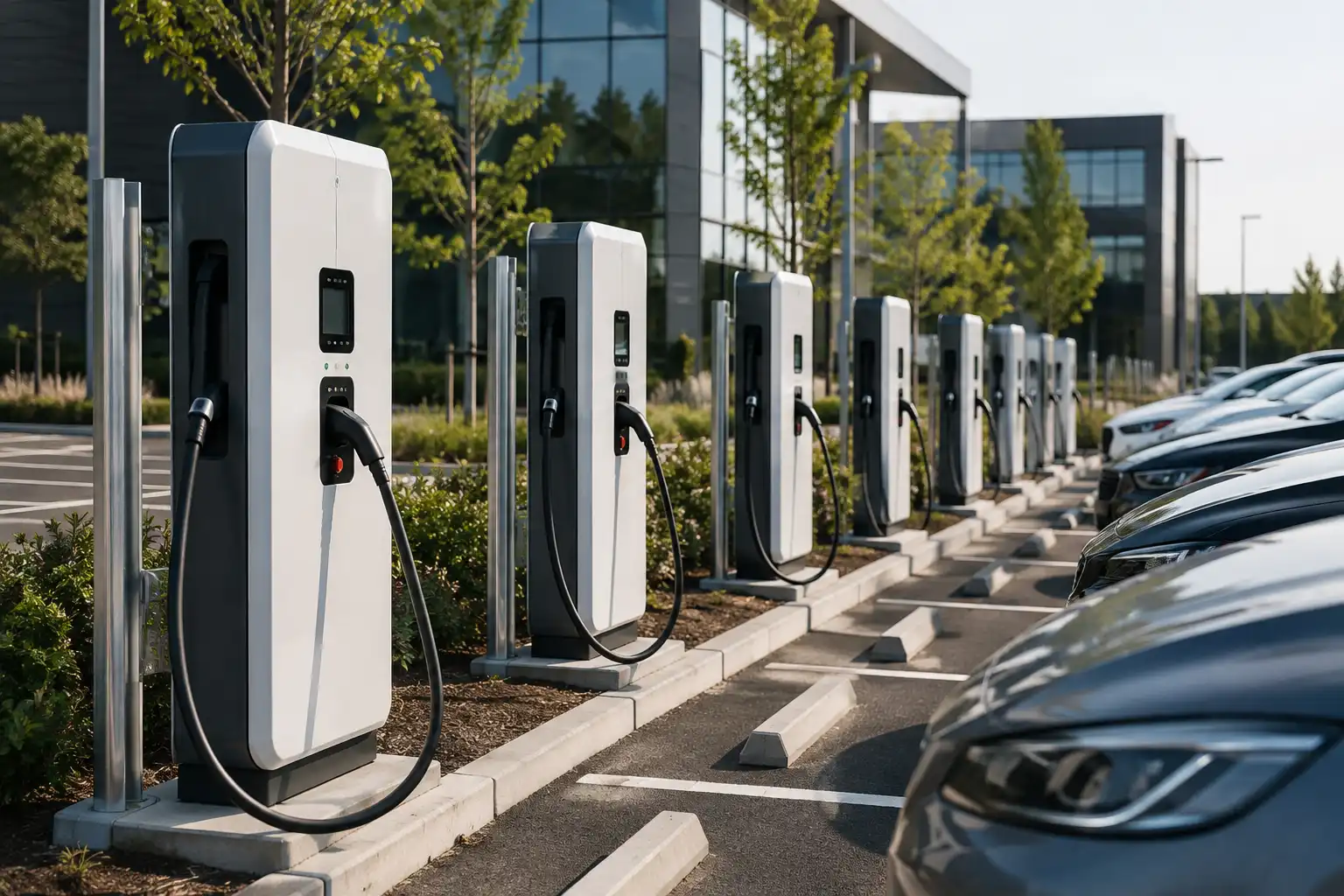
Electric vehicles are becoming an increasingly common sight on UK roads, changing what employees, customers and visitors expect from the places where they work, shop, stay and spend their leisure time.
For commercial organisations, providing a single EV charger can be a useful starting point. However, as electric vehicle adoption grows, businesses are increasingly considering multiple EV chargers to provide enough capacity for employees, customers, visitors and commercial fleets.
From offices and hotels to retail destinations and larger commercial premises, installing multiple charging points can create more flexible, scalable infrastructure while helping organisations prepare for future demand.
For businesses considering their options, McNally EV provides professional commercial EV charger installation designed around the individual requirements of each site.
Why Are Businesses Installing Multiple EV Chargers?
A single charging point may initially meet the needs of a smaller organisation. However, EV charging requirements can change quickly.
As more employees switch to electric cars, commercial fleets become electrified and customers increasingly arrive in EVs, businesses can find themselves needing significantly more charging capacity.
Installing multiple chargers can help organisations:
- Accommodate several electric vehicles simultaneously
- Improve charging availability for employees and visitors
- Support the transition towards electric commercial fleets
- Provide convenient destination charging
- Prepare their sites for increasing EV adoption
- Support wider sustainability objectives
- Create scalable charging infrastructure
Instead of considering EV charging as an isolated facility, businesses can incorporate it into their wider property, transport and energy strategies.
Build Workplace EV Infrastructure for the Future
Workplaces are particularly well suited to EV charging because vehicles are often parked for several hours at a time.
For employees commuting in an electric vehicle, being able to charge while working can provide significant convenience. Instead of relying entirely on home or public charging, employees can replenish their vehicle while it would otherwise be sitting unused in the workplace car park.
However, if a workplace has dozens or hundreds of employees, providing only one charger may quickly become restrictive.
Installing multiple EV chargers allows a greater number of employees to access charging and creates infrastructure that can accommodate increasing EV ownership.
For organisations exploring workplace charging, McNally EV’s commercial EV charging solutions can be designed around parking capacity, electrical infrastructure and expected usage.
Build Workplace EV Infrastructure for the Future
Access to workplace charging can make the transition to an electric vehicle more convenient for employees, particularly those who may not have straightforward access to charging at home.
Businesses that provide charging facilities can also demonstrate a practical commitment to supporting lower-emission transport.
As EV adoption continues to grow, workplace EV infrastructure could increasingly become an important consideration for organisations reviewing their employee facilities and long-term property requirements.
Improve the Customer Experience with Destination Charging
EV charging is not limited to offices and fleet depots.
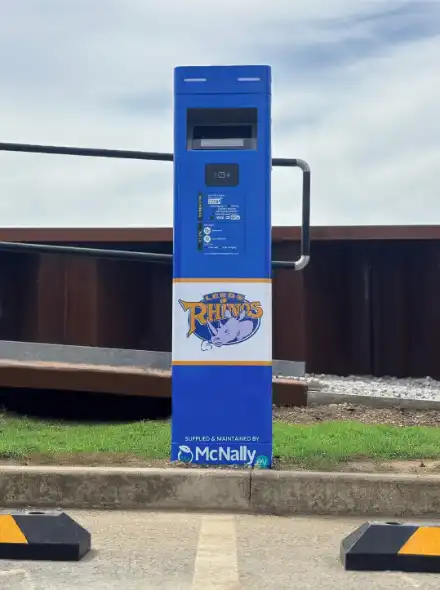
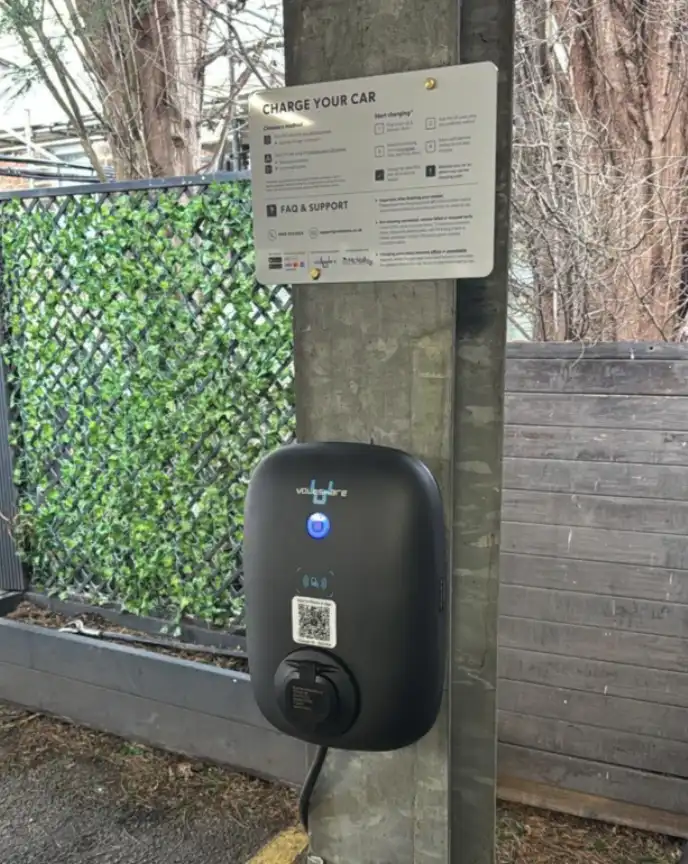
Hospitality businesses, retail destinations, leisure facilities and visitor attractions can also benefit from installing multiple charging points.
This is commonly referred to as destination charging.
Instead of visiting a dedicated charging location, an EV driver can recharge their vehicle while completing another activity, such as:
- Staying overnight at a hotel
- Eating at a restaurant
- Visiting a leisure facility
- Shopping
- Attending an event
- Visiting a tourist attraction
- Attending a meeting or appointment
Providing charging facilities therefore adds another level of convenience to the customer experience.
For example, McNally EV provides dedicated EV charger installation for hotels, helping hospitality businesses provide charging facilities for guests and visitors.
Hotels are particularly suitable for EV charging because vehicles may remain parked for many hours or overnight, giving guests an opportunity to recharge before continuing their journey.
EV Charging for Leisure and Public Destinations
Destination charging also makes sense for locations where customers regularly remain for an hour or more.
Gyms are a good example. Customers can plug their vehicle in when arriving and charge while exercising rather than making a separate stop elsewhere.
McNally EV provides EV charger installation for gyms, allowing leisure businesses to introduce charging infrastructure suited to their parking facilities and customer usage.
Similar opportunities exist across other public-facing sites.
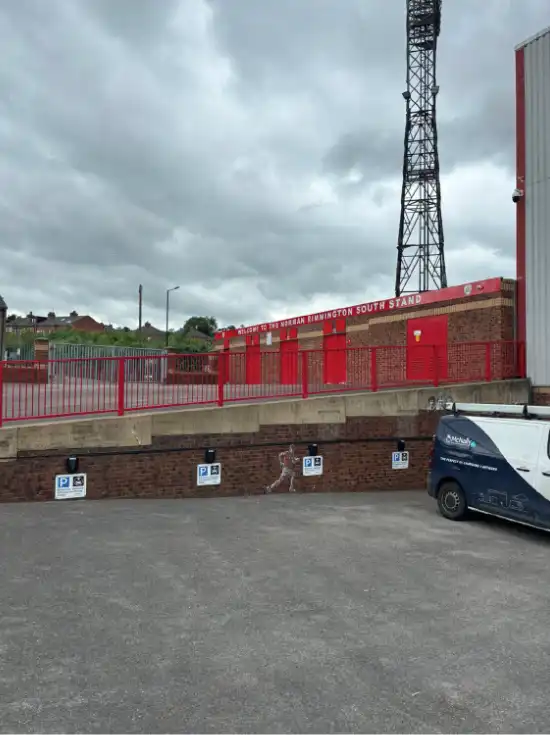
For larger entertainment and sporting destinations, EV charger installation for stadiums can help provide additional charging facilities for visitors, staff and potentially operational vehicles.
Installing several chargers is particularly valuable at these locations because large numbers of vehicles can arrive within relatively short periods.
Support Commercial Fleet Electrification
For organisations operating company cars, vans or other commercial vehicles, EV charging infrastructure is an essential consideration when transitioning towards an electric fleet.
Fleet vehicles often return to the same workplace, depot or operational site, creating an opportunity for vehicles to recharge while they are not being used.
Multiple chargers allow several vehicles to charge simultaneously rather than creating reliance on a single chargepoint.
A business may also be able to develop charging schedules around its operational requirements. Vehicles required early the following morning, for example, can be prioritised differently from vehicles that will remain parked for longer.
Developing suitable business charging solutions alongside fleet electrification can help ensure charging infrastructure grows with the organisation’s vehicle requirements.
Make Better Use of Commercial Parking Areas
Commercial car parks represent a significant opportunity for EV charging infrastructure.
Parking spaces that were previously used solely for vehicle storage can also become locations where employees, customers and visitors recharge their vehicles.
Multiple chargers can be distributed across the car park depending on expected usage, accessibility and electrical infrastructure.
The most appropriate layout will depend on the site.
An office may primarily require employee charging, while a hotel might prioritise guest parking. A mixed-use commercial destination could require separate charging provision for employees, customers and fleet vehicles.
This is why commercial EV charging should be designed around the specific requirements of the property rather than applying the same approach to every location.
Use Load Management Across Multiple EV Chargers
One of the most important considerations when installing multiple EV chargers is electrical capacity.
If several vehicles attempted to charge at maximum power simultaneously, this could place considerable demand on a site’s electrical infrastructure.
Intelligent charging and load management can help address this.
Load management allows available electrical capacity to be distributed between chargers according to site demand.
For example, when only two vehicles are connected, greater charging capacity may be available to each vehicle. When several vehicles are connected simultaneously, available capacity can be intelligently distributed between them.
This can help organisations operate commercial charging stations more efficiently while managing demand on the wider electrical system.
Combine Commercial EV Charging with Renewable Energy
EV charging can also be considered alongside a commercial site’s wider energy infrastructure.
Businesses investing in commercial solar panel installation may be able to use electricity generated on-site to support some of their EV charging requirements, depending on when electricity is generated and consumed.
Solar PV can also be considered alongside commercial battery storage, helping organisations develop a more integrated approach to energy generation, storage and consumption.
- Solar electricity generation
- Battery energy storage
- EV charging
- Intelligent energy management
- Building electricity consumption
Rather than treating each technology separately, businesses can consider how their energy infrastructure works together.
Prepare Your Business for Increasing EV Adoption
One of the biggest advantages of installing multiple EV chargers is the ability to plan ahead.
A business may only have a small number of employees or customers driving electric vehicles today. However, the number could be significantly higher in the future.
Planning commercial charging infrastructure around future demand can help prevent a site from quickly outgrowing its initial installation.
This does not necessarily mean installing every charger immediately.
A scalable strategy might involve installing several chargers initially while ensuring the electrical infrastructure and site design can accommodate additional chargepoints later.
This approach can be particularly valuable for larger workplaces, hotels, business parks and commercial fleets where demand is expected to increase.

Multiple EV Chargers for Different Commercial Sectors
Offices
Providing EV charger installation for offices can support employees, visitors and company vehicles while creating more comprehensive workplace EV infrastructure.Hotels
Hotel guests often leave their vehicles parked overnight, making hotel EV charging particularly suited to destination charging.Gyms and Leisure Facilities
Installing EV chargers at gyms allows customers to recharge while using the facilities.Schools and Educational Facilities
Educational sites can also incorporate EV charging for staff, visitors and operational vehicles as part of wider sustainability initiatives.Hospitals and Healthcare Facilities
McNally EV’s EV charger installation for hospitals can help healthcare sites provide charging facilities for employees, visitors and other site users.Stadiums and Event Venues
Larger visitor destinations can use stadium EV charging infrastructure to accommodate increasing numbers of EV drivers attending events.What Should You Consider Before Installing Multiple EV Chargers?
- Number of existing EV drivers
- Expected future demand
- Number of available parking spaces
- Electrical supply capacity
- Typical vehicle dwell times
- Employee versus customer usage
- Commercial fleet requirements
- Charger speeds
- Load management
- Accessibility
- Future expansion
- Integration with renewable energy technologies
Why Choose McNally EV for Commercial EV Charger Installation?
At McNally EV, we provide professional commercial EV charger installation for businesses and organisations looking to develop reliable, scalable charging infrastructure.
We can help assess the requirements of your site and determine an appropriate charging solution based on factors such as electrical capacity, parking arrangements, anticipated usage and future growth.
Whether you need chargers for employees, customers, visitors or commercial vehicles, we can help develop infrastructure designed around your organisation.
Our wider renewable energy expertise also means commercial EV charging can be considered alongside technologies such as commercial solar panels and battery storage where appropriate.
Frequently Asked Questions About Multiple Commercial EV Chargers
How many EV chargers should a commercial site install?
The right number of chargers depends on the size of the site, current EV usage, anticipated future demand and how vehicles use the property. A small office may initially require only a handful of chargers, while a large workplace, hotel or visitor destination could require significantly more.
It is also important to consider future requirements rather than basing the installation exclusively on current EV ownership. Designing infrastructure that can be expanded may allow additional chargepoints to be introduced as demand increases. A commercial EV charging assessment can help establish an appropriate starting point while considering the site’s longer-term requirements.
Can multiple EV chargers operate at the same time?
Yes. Multiple EV chargers can operate simultaneously, although the charging capacity available will depend on the site’s electrical supply and how the charging system has been designed.
Load management technology can help distribute available power between connected vehicles. This can prevent every charger from automatically demanding its maximum capacity at the same time.
For larger commercial installations, intelligent management can therefore play an important role in creating practical, scalable charging infrastructure while balancing EV charging against the wider electrical requirements of the building.
What is load balancing for multiple EV chargers?
Load balancing manages how available electricity is distributed between multiple charging points.
Rather than allowing every charger to draw maximum power simultaneously, the charging system can adjust the power supplied to individual vehicles according to available electrical capacity.
This can be particularly useful for workplaces, hotels, fleet depots and other commercial destinations where several vehicles may need to charge at the same time.
The exact configuration will depend on the site’s electrical infrastructure, number of chargers, charging requirements and wider building demand.
Is destination charging worthwhile for hotels and hospitality businesses?
Destination charging can provide significant convenience for EV-driving guests because their vehicles can recharge while they use the venue.
Hotels are particularly well suited because guests may leave their vehicles parked overnight. Restaurants, leisure facilities and other hospitality businesses can also benefit where customers typically remain on-site for extended periods.
Installing multiple chargers can make the facility more useful because several customers can charge simultaneously rather than competing for one charging space. Businesses considering this type of infrastructure can learn more about McNally EV’s EV charger installation for hotels.
Can we add more commercial EV chargers in the future?
Yes. Commercial charging infrastructure can be designed with future expansion in mind.
A business might begin with a smaller number of active chargers while preparing the wider electrical infrastructure or parking layout for additional units later.
This can be particularly useful for organisations expecting employee EV ownership, visitor demand or fleet electrification to increase.
Planning ahead can help ensure the initial charging infrastructure does not become restrictive as demand develops.
Can commercial EV chargers work alongside solar panels?
Yes. EV charging can be incorporated into a wider energy strategy that includes solar PV, battery storage and intelligent energy management.
Solar panels generate electricity during daylight hours, while EV chargers create an additional source of electrical demand. Depending on the site’s energy consumption and charging patterns, some solar-generated electricity may be available to support vehicle charging.
Businesses considering this approach can explore McNally EV’s commercial solar panel installation alongside their EV charging requirements.
Are multiple EV chargers suitable for commercial fleets?
Multiple chargers can be particularly valuable for businesses transitioning commercial fleets to electric vehicles.
Fleet vehicles often return to a central office, depot or operational site, allowing them to recharge while parked. Installing several charging points enables multiple vehicles to charge simultaneously and allows the charging strategy to be aligned with operational schedules.
Businesses should consider vehicle mileage, return times, required departure times and future fleet expansion when designing charging infrastructure.
Should businesses install all their EV chargers at once?
Not necessarily. The best approach depends on current requirements, future demand and the infrastructure available at the site.
Some businesses may benefit from installing several chargers immediately, particularly where there is already strong demand. Others may choose a phased approach, installing an initial number of chargers while designing the system so further units can be added later.
The important factor is scalability. Planning for future expansion from the outset can help ensure the charging infrastructure continues to support the organisation as EV adoption grows.
Plan Your Commercial EV Charging Infrastructure with McNally EV
Installing multiple EV chargers can help businesses provide better facilities for employees and visitors, support electric fleets and prepare commercial premises for increasing EV adoption.
From workplace EV infrastructure to hotel destination charging and larger commercial charging stations, the most effective solution is one designed around how your site operates today while allowing room for future growth.
McNally EV provides professional commercial EV charger installation alongside wider renewable energy solutions for businesses across the UK.
Speak to McNally EV about your commercial charging requirements and discover how we can help create scalable EV infrastructure for your site.