
How Smart Tariffs Can Reduce Your EV Charging Costs
Introduction
As electricity prices continue to fluctuate across the UK, many electric vehicle owners are looking for ways to reduce their charging expenses. The good news is that choosing the right EV charging tariffs and adopting smart charging habits can significantly lower your monthly energy bills.
With the rise of smart energy tariffs, EV drivers can take advantage of cheaper electricity rates during off-peak periods, making vehicle charging more affordable than ever. Whether you’re a new EV owner or looking to optimise your current charging setup, understanding how these tariffs work can help you maximise savings while maintaining the convenience of home charging.
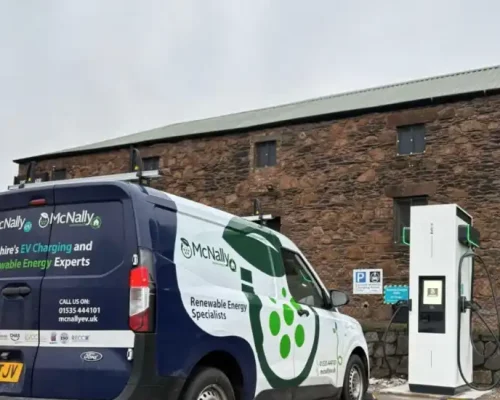
Understanding EV Charging Tariffs
An EV charging tariff is a specialised electricity plan designed to offer lower energy rates during specific times of the day, typically overnight when demand on the national grid is lower.
Unlike standard electricity tariffs that charge the same rate throughout the day, EV-focused tariffs provide discounted electricity during designated off-peak hours. This allows drivers to charge their vehicles at a fraction of the usual cost.
Many UK energy suppliers now offer dedicated EV tariffs, recognising the growing demand for affordable electric vehicle charging solutions. These plans are particularly beneficial for households that can schedule their charging overnight.
Benefits of EV Charging Tariffs
- Lower electricity rates during off-peak periods
- Reduced overall EV running costs
- Greater control over household energy consumption
- Improved use of renewable energy generated overnight
- Potential annual savings of hundreds of pounds
By selecting the right tariff, drivers can dramatically reduce their EV electricity costs without compromising on charging convenience.
What Is Off-Peak EV Charging?
Off-peak EV charging refers to charging your electric vehicle during periods when electricity demand is lower. These times are typically overnight, often between midnight and 7am, although exact hours vary depending on your energy provider.
Electricity suppliers encourage off-peak usage because it helps balance demand across the grid. In return, customers receive significantly reduced energy rates during these periods.
For EV owners, this presents an excellent opportunity to charge their vehicle when electricity is cheapest.
Why Off-Peak Charging Saves Money
The difference between peak and off-peak rates can be substantial. Charging during peak hours may cost two to three times more than charging overnight under a dedicated EV tariff.
For example:
Charging Time | Electricity Rate |
Peak Hours | Higher Rate |
Off-Peak Hours | Lower Rate |
Over the course of a year, consistently charging during off-peak hours can lead to significant savings, especially for drivers covering high annual mileage.
The Role of Smart Energy Tariffs
Smart energy tariffs take savings a step further by using smart meter technology to monitor electricity usage and automatically apply different rates based on the time of day.
These tariffs often work alongside smart EV chargers, creating a fully automated charging system that optimises charging schedules for the lowest possible cost.
Instead of manually plugging in and monitoring charging times, drivers can simply connect their vehicle and allow the system to charge when rates are lowest.
Key Features of Smart Energy Tariffs
- Variable electricity pricing based on demand
- Automated off-peak charging schedules
- Real-time energy monitoring
- Integration with smart home technology
- Potential access to renewable energy incentives
As smart grid technology continues to evolve, these tariffs are becoming increasingly popular among environmentally conscious homeowners.
How Smart EV Chargers Maximise Savings
Installing a smart EV charger is one of the easiest ways to benefit from cheap EV charging.
Unlike standard charging units, smart chargers can communicate with your energy tariff and automatically delay charging until cheaper electricity periods begin.
At McNally EV, our Home EV Charger Installation services include modern smart charging solutions designed to help homeowners reduce energy costs while maintaining complete charging flexibility.
Smart Charger Features
- Scheduled charging
- App-based control
- Energy usage tracking
- Integration with EV tariffs
- Load balancing for household electricity demand
These features ensure your vehicle is fully charged and ready to go while minimising charging expenses.
Combining Solar Energy and Smart Tariffs
For homeowners seeking even greater savings, combining smart tariffs with solar energy can provide exceptional results.
A professionally installed solar PV system can generate electricity during daylight hours, while off-peak tariffs provide low-cost energy overnight. Together, these solutions reduce reliance on expensive grid electricity.
McNally EV also offers Solar Panel Installations that help households generate their own renewable energy and lower overall energy bills.
Adding a Battery Storage Solution can further enhance savings by storing excess solar energy for later use, including EV charging.
Choosing the Best EV Tariff for Your Home
Not all EV tariffs are created equal. Before switching, it’s important to evaluate several factors:
Consider Your Driving Habits
If you regularly charge overnight, an EV-specific tariff could offer significant savings. However, if your charging needs vary throughout the day, a flexible smart tariff may be more suitable.
Check Off-Peak Hours
Different suppliers offer different charging windows. Compare available tariffs to find one that matches your schedule.
Review Standing Charges
While off-peak rates may be attractive, it’s important to consider daily standing charges to ensure overall value.
Ensure Smart Meter Compatibility
Most smart energy tariffs require a functioning smart meter. If you don’t already have one installed, your energy supplier can usually arrange this.
Future Trends in Smart EV Charging
The UK’s energy market is rapidly evolving as electric vehicle adoption increases. Future innovations are expected to make EV charging tariffs even more cost-effective.
Emerging technologies include:
- Dynamic energy pricing based on real-time grid demand
- Vehicle-to-grid (V2G) systems
- AI-powered charging optimisation
- Greater integration with renewable energy sources
These developments will provide EV drivers with even more opportunities to reduce charging costs while supporting a more sustainable energy network.
Conclusion
Managing EV electricity costs doesn’t have to be complicated. By choosing the right EV charging tariffs, taking advantage of off-peak EV charging, and investing in smart charging technology, UK drivers can significantly reduce the cost of running their electric vehicles.
Combining smart energy tariffs with renewable technologies such as solar panels and battery storage can unlock even greater savings while reducing your environmental impact.
Frequently Asked Questions
EV charging tariffs are specialised electricity plans designed for electric vehicle owners. They offer cheaper electricity rates during specific off-peak hours, helping drivers reduce charging costs and lower overall household energy bills.
Off-peak EV charging involves charging your electric vehicle during times when electricity demand is lower, usually overnight. Energy suppliers often provide discounted rates during these periods, making charging significantly more affordable.
Savings vary depending on your vehicle, mileage, and electricity provider. Many UK EV drivers can reduce charging costs substantially by using smart energy tariffs and scheduling charging during lower-cost off-peak periods.
While not always required, a smart charger helps maximise savings. It can automatically schedule charging during off-peak hours, ensuring your vehicle benefits from the cheapest available electricity rates.
Yes. Solar panels generate renewable electricity that can be used to charge your EV during the day. Combined with off-peak tariffs and battery storage, they can significantly reduce energy expenses.
Smart energy tariffs are ideal for drivers who can charge at home, particularly overnight. They offer greater flexibility, lower electricity costs, and improved control over household energy consumption and charging schedules.