
How EV Charging Supports the UK’s Net Zero Goals
Introduction
Electric vehicles are playing a vital role in transforming the UK’s transport sector and reducing carbon emissions. As the government pushes towards ambitious climate targets, sustainable EV charging infrastructure has become a key part of achieving a cleaner future. From reducing reliance on fossil fuels to encouraging renewable energy adoption, EV charging is helping shape a greener transport network across the country.
In this Blog, we explore how EV charging supports the UK’s net zero ambitions, the environmental benefits of electric vehicles, and why investing in reliable charging infrastructure is essential for long-term sustainability.
Understanding the UK’s Net Zero Goals
The UK government has committed to reaching net zero greenhouse gas emissions by 2050. This means balancing the amount of greenhouse gases produced with the amount removed from the atmosphere. One of the largest contributors to carbon emissions in the UK is transportation, particularly petrol and diesel vehicles.
To combat this, the government has introduced several initiatives aimed at accelerating the adoption of electric vehicles. These include:
- The ban on the sale of new petrol and diesel cars from 2035
- Investment in public EV charging infrastructure
- Incentives for homeowners and businesses installing charging points
- Support for renewable energy generation
As a result, the transition towards sustainable transport is accelerating rapidly across the UK.
The Role of Electric Vehicles in Reducing Emissions
Electric vehicles produce significantly fewer emissions compared to traditional internal combustion engine vehicles. Unlike petrol or diesel cars, EVs have no tailpipe emissions, helping improve air quality in towns and cities across the country.
The positive electric vehicles climate impact includes:
- Lower carbon dioxide emissions
- Reduced air pollution
- Decreased noise pollution
- Improved urban air quality
- Reduced dependence on fossil fuels
As the UK’s electricity grid increasingly incorporates renewable energy sources such as wind and solar power, EVs become even more environmentally friendly. Charging an electric vehicle using renewable energy further reduces its overall carbon footprint.
This shift towards greener transportation is a major factor in achieving the UK’s sustainability targets.
Why Sustainable EV Charging Matters
While electric vehicles themselves offer environmental benefits, the way they are charged also matters. Sustainable EV charging ensures that the energy powering vehicles comes from renewable or low-carbon sources wherever possible.
This can include:
- Solar-powered EV charging systems
- Smart charging technology
- Battery storage integration
- Off-peak charging to reduce grid strain
- Renewable energy tariffs
By combining EV charging with renewable technologies, homeowners and businesses can dramatically lower their environmental impact.
At McNally EV, we help customers install efficient charging systems that support long-term sustainability while reducing energy costs.
Smart Charging and Energy Efficiency
Smart charging technology is becoming increasingly important as EV adoption grows. These systems allow vehicles to charge during periods of lower electricity demand, helping balance the grid and reduce pressure on the national energy network.
Benefits of smart charging include:
- Lower charging costs
- Reduced energy waste
- Improved grid stability
- Better integration with renewable energy
- Automated charging schedules
Many modern chargers also allow users to monitor energy usage through mobile apps, making it easier to optimise charging behaviour and improve efficiency.
For homeowners looking to future-proof their property, smart EV chargers are quickly becoming an essential investment.
Renewable Energy and EV Charging
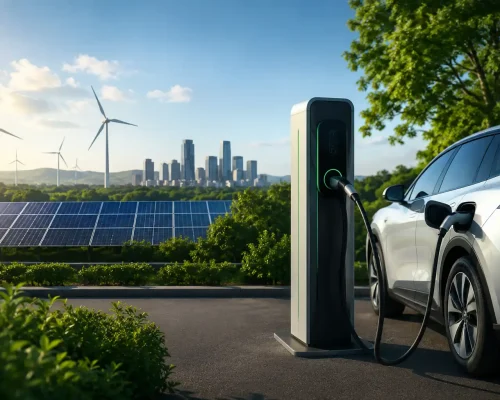
One of the most effective ways to maximise EV sustainability is by pairing charging systems with renewable energy solutions such as solar panels and battery storage.
Solar energy can be used to charge electric vehicles directly, significantly reducing reliance on grid electricity. Battery storage systems allow excess solar energy to be stored and used later for EV charging, even during evenings or cloudy weather.
This creates a highly efficient and environmentally friendly energy ecosystem for homes and businesses alike.
Learn more about:
How Businesses Benefit from Green Transport Solutions
Businesses across the UK are increasingly adopting EV charging infrastructure as part of their sustainability strategies. Installing workplace charging stations not only supports employees and customers with electric vehicles but also strengthens a company’s environmental credentials.
Benefits for businesses include:
- Reduced fleet emissions
- Enhanced corporate sustainability
- Improved employee satisfaction
- Attraction of environmentally conscious customers
- Potential long-term cost savings
As public demand for greener transport options continues to rise, businesses that invest early in EV infrastructure are positioning themselves ahead of competitors.
Commercial charging solutions are becoming a key component of modern business operations.
The Growth of Public Charging Infrastructure in the UK
A widespread and reliable charging network is essential for accelerating EV adoption. The UK has seen substantial investment in public charging infrastructure in recent years, including rapid chargers on motorways, destination charging points, and residential charging schemes.
Expanding public charging availability helps:
- Reduce range anxiety
- Encourage EV adoption
- Support long-distance travel
- Increase accessibility for drivers without off-street parking
- Promote sustainable transport nationwide
As charging infrastructure becomes more accessible, more drivers are making the switch to electric vehicles with confidence.
The Future of EV Sustainability in the UK
The future of green transport UK initiatives will depend heavily on continued investment in renewable energy and EV infrastructure. Innovations in charging technology, battery efficiency, and smart energy systems are expected to further improve sustainability over the coming years.
Emerging trends include:
- Vehicle-to-grid (V2G) technology
- Ultra-rapid charging stations
- Solar-integrated charging hubs
- Community energy networks
- Increased renewable grid capacity
Together, these developments will help create a cleaner, more resilient energy system that supports both drivers and the environment.
Final Words
Electric vehicles and sustainable EV charging are central to achieving the UK’s net zero ambitions. By reducing emissions, improving air quality, and supporting renewable energy integration, EV infrastructure is helping drive the transition towards a greener future.
Whether for homeowners or businesses, investing in reliable charging solutions is an important step towards long-term sustainability and energy efficiency.
Contact McNally EV today to learn more about professional EV charger installation, solar energy systems, and battery storage solutions that support a cleaner, greener future.
Frequently Asked Questions
Electric vehicles help reduce greenhouse gas emissions by replacing petrol and diesel vehicles that produce harmful carbon emissions. As more EVs are powered by renewable electricity, they contribute significantly towards cleaner transport and help the UK progress towards its 2050 net zero target.
Sustainable EV charging refers to charging electric vehicles using renewable or low-carbon energy sources such as solar or wind power. It also includes smart charging systems that improve energy efficiency, reduce strain on the electricity grid, and minimise overall environmental impact.
Yes, electric vehicles generally produce far fewer emissions than petrol or diesel cars over their lifetime. They create zero tailpipe emissions, improve air quality, and become even more environmentally friendly when charged using renewable energy from sustainable electricity sources.
Yes, electric vehicles generally produce far fewer emissions than petrol or diesel cars over their lifetime. They create zero tailpipe emissions, improve air quality, and become even more environmentally friendly when charged using renewable energy from sustainable electricity sources.
A reliable EV charging network encourages more people to switch to electric vehicles by reducing range anxiety and improving accessibility. Expanding charging infrastructure across homes, businesses, and public locations is essential for supporting the UK’s transition to greener transport solutions.
Yes, solar panels can generate electricity that is used to charge electric vehicles at home or commercial properties. When combined with battery storage systems, solar energy can provide a highly sustainable and cost-effective solution for EV charging throughout the year.
Businesses can improve their sustainability credentials, support employees and customers with electric vehicles, and reduce fleet operating costs by installing EV chargers. Commercial charging solutions also demonstrate environmental responsibility and help businesses align with future green transport initiatives.