
How EV Charging Supports the UK’s Energy Independence Goals
Understanding the role electric vehicles and renewable energy play in reducing reliance on imported energy
As the UK continues its journey towards a low-carbon future, EV charging UK infrastructure is becoming far more than a convenience for electric vehicle owners. It is now a vital component of the country’s wider strategy to improve UK energy independence, strengthen energy security, and accelerate the renewable energy transition.
For decades, Britain has relied on imported oil and gas to power transport, homes, and businesses. Global events have demonstrated how vulnerable this dependence can be, with international supply disruptions causing significant fluctuations in energy prices. By embracing electric vehicles, renewable electricity generation, and smart charging technology, the UK is creating a more resilient, sustainable energy system.
In this blog, we’ll explore how EV charging supports the nation’s energy independence goals and why investing in clean energy solutions benefits everyone from homeowners to businesses.
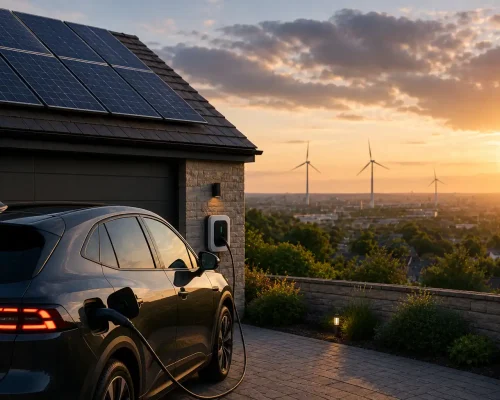
Why Energy Independence Matters
Energy independence means reducing reliance on imported fossil fuels by generating and managing more energy domestically.
Greater energy security provides several benefits:
- Reduced exposure to volatile international energy markets
- Improved national resilience during global supply disruptions
- Lower long-term energy costs
- Reduced carbon emissions
- Greater investment in British renewable infrastructure
Transport has historically been one of the UK’s largest consumers of imported oil. As more motorists switch to electric vehicles, the demand for imported fuel naturally declines.
EV Charging Is Transforming UK Transport
Electric vehicles are helping reshape the country’s transport network by replacing petrol and diesel with electricity generated within the UK.
Unlike traditional fuels, electricity can come from multiple domestic renewable sources including:
- Solar power
- Wind energy
- Hydroelectric generation
- Nuclear energy
- Battery storage systems
Every electric vehicle charged using renewable electricity contributes to reducing fossil fuel dependence while supporting the UK’s broader renewable energy transition.
As charging infrastructure continues to expand across homes, workplaces and public locations, EV adoption becomes increasingly practical for drivers nationwide.
Home EV Charging Supports Local Energy Generation
One of the greatest advantages of owning an electric vehicle is the ability to charge at home.
Home charging allows homeowners to take advantage of:
- Lower overnight electricity tariffs
- Smart charging technology
- Solar panel integration
- Battery storage systems
- Reduced reliance on fuel stations
When combined with solar PV, homeowners can generate electricity during daylight hours and use that renewable energy to charge their vehicle dramatically reducing both energy bills and reliance on imported fuels.
McNally EV regularly installs integrated systems combining EV chargers, solar panels and battery storage, allowing households to maximise energy efficiency while reducing their environmental impact.
Smart Charging Makes the Grid More Efficient
Modern EV chargers are becoming increasingly intelligent.
Smart charging enables vehicles to automatically charge when:
- Electricity demand is lower
- Renewable generation is at its highest
- Energy prices are cheaper
- Excess solar power is available
Rather than placing pressure on the electricity grid, smart charging actually helps balance demand throughout the day.
As vehicle-to-grid (V2G) technology develops further, electric vehicles may even return stored electricity back to the grid during peak demand periods, turning millions of parked cars into a nationwide energy resource.
This flexibility strengthens the UK’s energy resilience while making better use of renewable electricity.
Renewable Energy and EV Charging Go Hand in Hand
The success of sustainable transport depends on clean electricity generation.
Fortunately, the UK continues to expand renewable energy production at an impressive pace.
Wind farms, solar installations and battery storage projects are helping generate cleaner electricity than ever before.
When EV charging is powered by renewable energy:
- Carbon emissions fall significantly
- Air quality improves
- Fossil fuel demand decreases
- Energy remains within the UK economy
- Renewable investment becomes more attractive
The combination of renewable electricity and widespread EV charging creates a positive cycle that supports long-term national sustainability.
Businesses Play a Vital Role
Commercial EV charging is becoming increasingly important as businesses electrify their vehicle fleets and support employee charging.
Installing workplace charging delivers several advantages:
- Supports company sustainability goals
- Reduces fleet operating costs
- Attracts environmentally conscious customers
- Futureproofs commercial properties
- Demonstrates commitment to clean energy solutions
Businesses that combine EV charging with rooftop solar generation can significantly reduce operating costs while contributing to the UK’s energy independence objectives.
As government policies continue encouraging low-carbon transport, organisations investing today are likely to enjoy long-term competitive advantages.
Solar Power for Energy Independence
Solar panels and battery storage complement EV charging perfectly.
During sunny periods, solar panels generate electricity that can:
- Power homes
- Charge electric vehicles
- Store excess energy for later use
Battery storage systems ensure surplus renewable energy isn’t wasted, allowing homeowners and businesses to use self-generated electricity even after sunset.
This integrated approach reduces electricity imported from the grid while making renewable energy available whenever it’s needed.
The result is greater self-sufficiency, lower energy costs, and improved resilience during periods of high electricity demand.
The Future of Clean Energy Solutions in the UK
The UK’s journey towards energy independence will rely on multiple technologies working together.
These include:
- Electric vehicles
- Home and workplace EV charging
- Solar energy
- Battery storage
- Smart electricity grids
- Renewable energy generation
As each technology becomes more widespread, the nation moves closer to reducing dependence on imported fossil fuels while creating a cleaner, more secure energy future.
Consumers also benefit through lower running costs, greater energy flexibility and reduced environmental impact.
Why Choose McNally EV?
At McNally EV, we help homeowners and businesses become part of the UK’s clean energy future through professional installation of:
- Home EV chargers
- Commercial EV charging systems
- Solar panel installations
- Battery storage solutions
Our experienced team designs tailored systems that maximise energy efficiency while preparing customers for the future of sustainable transport.
Whether you’re purchasing your first electric vehicle or looking to integrate renewable energy into your property, we’re here to help.
Conclusion
The growth of EV charging UK infrastructure represents far more than a shift in how we fuel our vehicles. It plays a crucial role in improving UK energy independence, reducing reliance on imported fossil fuels, and supporting the nation’s renewable energy transition.
By combining electric vehicles with renewable electricity, solar panels and battery storage, homeowners and businesses can actively contribute to a cleaner, more resilient energy system.
Contact McNally EV today to learn how our expert EV charging, solar and battery storage solutions can help you become part of the UK’s sustainable energy future.