
Home EV Charger Installation for New Electric Cars Coming to the UK in 2026
Introduction
Electric vehicles are becoming the new normal across the UK, and 2026 is set to be a landmark year for drivers considering the switch. With a wave of new electric cars coming to the UK in 2026, from affordable city models to luxury electric SUVs, more households than ever will need reliable, future-proof charging at home. This is why home EV charger installation is quickly becoming a must-have for UK drivers preparing for their next electric vehicle.
As EV ranges improve and charging speeds increase, having the right charging setup at home will play a critical role in convenience, running costs, and long-term vehicle performance. In this guide, we explore the new EVs arriving in 2026 and explain why investing in home EV charger installation in the UK is one of the smartest decisions future EV owners can make.
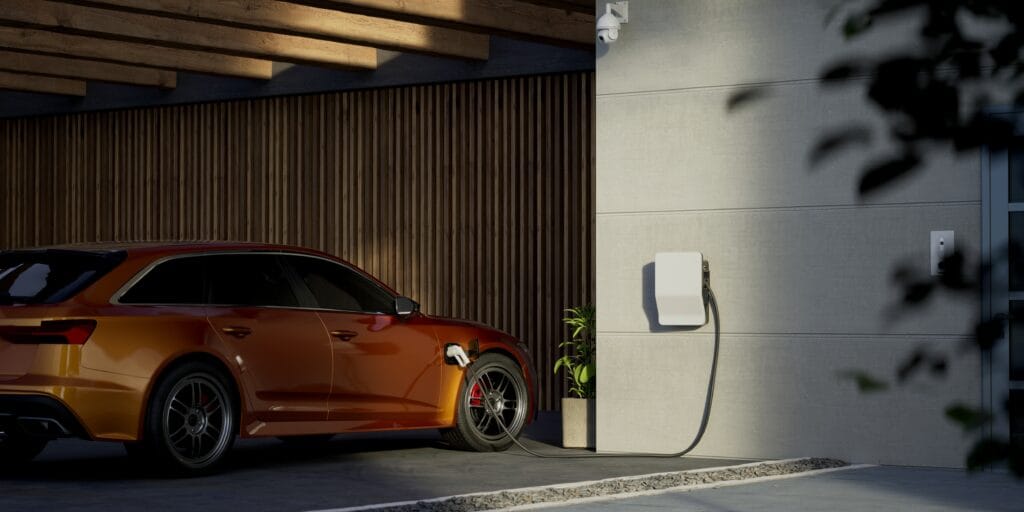
Why 2026 Will Drive Demand for Home EV Charger Installation
The growing number of electric cars coming to the UK in 2026 reflects a wider shift toward cleaner transport. Manufacturers are responding to government targets and consumer demand with better batteries, longer ranges, and faster charging technology. However, these advancements also increase the importance of professional home EV charger installation.
Public charging infrastructure is expanding, but home charging remains the most cost-effective and convenient way to power an EV. Studies consistently show that over 70% of EV charging in the UK happens at home. As more drivers adopt electric vehicles in 2026, demand for reliable home charging solutions will rise sharply.
Installing a dedicated home EV charger ensures:
- Faster charging than a standard 3-pin plug
- Lower electricity costs using off-peak tariffs
- Improved safety and compliance
- Greater control over charging schedules
For households planning to purchase one of the new EV models launching in 2026, preparing early with a professional installer is essential.
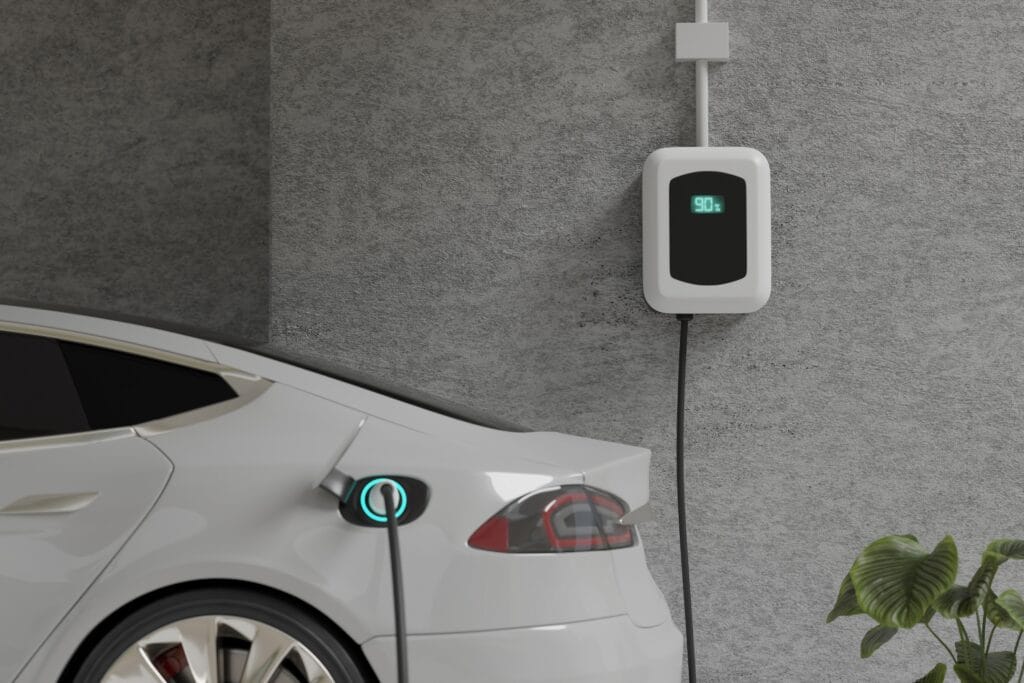
New Electric Cars Coming to the UK in 2026
Several highly anticipated EV models are set to arrive, each with different charging requirements that benefit from a properly installed home charger.
Nissan Leaf – Next Generation
The new Nissan Leaf, expected in early 2026, offers an impressive range of up to 386 miles. With a larger battery comes longer charging times, making home EV charger installation vital for overnight charging efficiency. A 7kW home charger can fully recharge most Leafs overnight, keeping running costs low.
Renault Twingo EV – Affordable Urban Choice
The Renault Twingo EV is aimed at city drivers and first-time EV owners. While it has a smaller battery, a professionally installed home EV charger allows drivers to maximise convenience and avoid reliance on busy public charge points.
Honda 0 Series
Honda’s new 0 Series marks its major entry into the UK EV market. These vehicles are designed for fast-charging capability, meaning your home charger should be installed and configured correctly to protect your electrical system and optimise charging speeds.
BMW iX3 and Mercedes-Benz Electric SUVs
Luxury electric SUVs like the BMW iX3 and upcoming Mercedes-Benz EVs feature large battery packs and advanced charging systems. These vehicles benefit significantly from smart home EV charger installation, allowing owners to monitor energy use, schedule charging, and integrate solar or battery storage.
The Benefits of Home EV Charger Installation in the UK
Installing a home EV charger ahead of buying a new electric car in 2026 offers both short-term and long-term advantages.
Convenience and Reliability
Charging at home removes the uncertainty of public charging availability. Your EV starts every day with a full battery, ready for commuting or longer journeys.
Lower Running Costs
Home EV charging is considerably cheaper than public rapid chargers. With the right tariff, drivers can charge overnight at reduced electricity rates, significantly lowering annual running costs.
Future-Proofing Your Home
With more electric cars coming to the UK in 2026 and beyond, home EV charger installation increases property appeal and prepares your home for future vehicles.
Safety and Compliance
Professional installation ensures your charger complies with UK electrical regulations, protecting your home and vehicle while delivering consistent performance.
To learn more, visit Home EV Charger Installation.
Choosing the Right Home EV Charger for 2026 Vehicles
Not all chargers are the same. Selecting the right unit depends on your vehicle, driving habits, and home energy setup.
Key considerations include:
- Charger power (7kW vs 22kW where applicable)
- Smart charging features
- Compatibility with future EV models
- Integration with solar panels or battery storage
McNally EV offers tailored advice to ensure your home EV charger installation matches your current and future needs.
You may also want to explore Battery Storage Solutions to maximise energy efficiency or Solar Panel Installations for greener charging.
Preparing Your Home for an Electric Car in 2026
If you’re planning to buy one of the new electric cars coming to the UK in 2026, now is the ideal time to prepare. Early planning avoids delays, ensures grant eligibility where available, and gives you time to choose the best charger for your lifestyle.
A professional home EV charger installation includes:
- Site survey and load assessment
- Charger selection and positioning
- Full installation and testing
- Guidance on smart charging and energy use
Conclusion: Get Ready for 2026 with Home EV Charger Installation
With an exciting range of electric cars coming to the UK in 2026, the shift to electric driving has never been more accessible. However, to fully enjoy the benefits of EV ownership, home EV charger installation is essential. It provides convenience, cost savings, and peace of mind while future-proofing your home for the next generation of electric vehicles.
At McNally EV, we specialise in professional, fully compliant home EV charger installation across Yorkshire and beyond. If you’re planning to go electric in 2026, contact McNally EV today and make sure your home is ready from day one .
Frequently Asked Questions
Yes. New electric cars coming to the UK in 2026 often have larger batteries, making home EV charger installation the safest and fastest way to charge.
A standard home EV charger installation usually takes between three and six hours once the site survey is complete. Factors such as cable routing, electrical upgrades, and charger location can affect timings, but most installations are completed within a single day.
Yes, modern home EV chargers are designed to be future-proof and compatible with upcoming electric cars. They use universal charging standards and can support higher power levels, ensuring they work with new EV models expected to launch in the UK beyond 2026.
Charging an electric car at home is significantly cheaper than using public charging stations. Home EV charger installation allows drivers to take advantage of off-peak electricity tariffs, reducing overall running costs compared to public rapid or motorway charging points.
Yes, home EV charger installation works perfectly alongside solar panel systems. When combined, solar energy can be used to charge your electric vehicle, lowering electricity bills and reducing carbon emissions while making EV ownership even more sustainable.
A smart EV charger offers additional features such as scheduled charging, energy monitoring, and integration with electricity tariffs or solar panels. These features help EV owners optimise charging times, reduce costs, and gain better control over their home energy usage.
Professional home EV charger installation ensures your system meets UK electrical regulations and operates safely. Certified installers assess your electrical capacity, recommend suitable chargers, and complete the installation correctly, reducing risks while maximising charger performance and longevity.