
EV Charger Grants UK: 2026 Incentives & Funds
Introduction
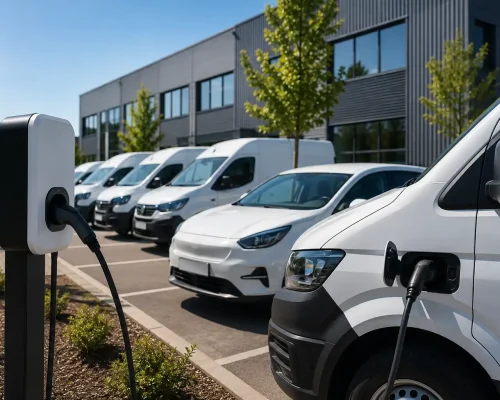
Across the UK, businesses are rethinking how their vehicles are powered. From local service companies and delivery firms to national organisations operating hundreds of vehicles, fleet electrification is becoming an increasingly important part of modern business operations.
The transition from petrol and diesel vehicles to electric vehicle fleets isn’t simply about replacing one type of vehicle with another. It can change how businesses manage transport costs, plan journeys, use energy and approach their wider sustainability goals.
However, a successful transition requires more than purchasing electric vehicles. Businesses also need reliable commercial EV charging and carefully planned fleet charging infrastructure capable of supporting their vehicles now and as the fleet expands.
At McNally EV, we help businesses develop practical EV charging solutions designed around their sites, vehicles and long-term requirements.
Why Are UK Businesses Electrifying Their Fleets?
Businesses are under growing pressure to reduce emissions while controlling operating costs and preparing for a lower-carbon future. For organisations that rely heavily on cars, vans and other commercial vehicles, transport can represent a significant part of both their expenditure and carbon footprint.
Fleet electrification provides an opportunity to address both areas.
Electric vehicles can offer lower running and maintenance costs in suitable applications, while businesses can also reduce their reliance on fossil fuels. When EV charging is combined with technologies such as solar panels and battery storage, companies can take an even more integrated approach to energy management.
For many organisations, transitioning to electric vehicles has therefore become part of a broader business sustainability strategy.
The Business Benefits of Electric Vehicle Fleets
Moving to an electric fleet can provide several potential advantages, although the exact savings and benefits will depend on factors such as mileage, vehicle choice, electricity tariffs and charging arrangements.
Reduced Day-to-Day Running Costs
Charging an EV can be more cost-effective than regularly refuelling a petrol or diesel vehicle, particularly where businesses can make use of favourable electricity tariffs or their own renewable generation.
For fleets covering significant annual mileage, even relatively small reductions in cost per mile can become meaningful when multiplied across numerous vehicles.
Lower Maintenance Requirements
Electric vehicles have fewer moving components in their powertrains than conventional internal combustion engine vehicles. This can reduce certain routine maintenance requirements associated with components such as engine oil, exhaust systems and traditional engine parts.
For fleet managers, reduced maintenance requirements can potentially mean lower costs and less vehicle downtime.
Supporting Business Sustainability Goals
Fleet electrification gives organisations a tangible way to reduce operational transport emissions.
This can contribute towards corporate environmental targets while also demonstrating to customers, employees and commercial partners that the organisation is investing in a more sustainable way of operating.
For businesses tendering for contracts where environmental performance is increasingly considered, sustainability initiatives may also strengthen their wider proposition.
Commercial EV Charging Is Central to Fleet Electrification
Purchasing electric vehicles is only one part of the transition. Businesses also need to consider where, when and how those vehicles will charge.
A carefully designed commercial EV charging solution can help ensure vehicles are ready when employees need them without placing unnecessary demands on the site’s electrical infrastructure.
The appropriate setup will vary considerably between businesses.
A small company operating several electric vans may only require a handful of chargers. A larger depot-based fleet could require numerous charge points alongside load management, monitoring and a phased expansion strategy.
Planning the infrastructure around the actual operational requirements of the fleet is therefore essential.
What Should Fleet Charging Infrastructure Include?
Before installing chargers, businesses should consider their current requirements as well as where the fleet could be in five or ten years.
Important considerations include:
- The number and type of electric vehicles in the fleet
- Daily vehicle mileage and typical return times
- How long vehicles remain parked between journeys
- Available electrical capacity at the site
- Required charger speeds and quantities
- Smart charging and load-management capabilities
- Future expansion of the electric fleet
- Opportunities to integrate solar generation and battery storage
Taking these factors into account can prevent businesses from installing infrastructure that quickly becomes unsuitable as their requirements change.
A scalable approach can allow charging capacity to develop alongside the fleet rather than requiring the entire system to be redesigned later.
Smart Charging Can Help Manage Energy Demand
Imagine a depot where dozens of electric vans return at approximately the same time each evening. If every vehicle immediately charges at maximum power, the resulting electricity demand could be considerable.
Smart charging and load management can help address this challenge.
Instead of every charger drawing maximum available power simultaneously, charging can be managed according to factors such as site capacity, vehicle schedules and charging priorities.
Vehicles required first in the morning could, for example, be prioritised while others charge later during their available parking window.
This makes commercial EV charging more practical for larger fleets and can help businesses use their available electrical capacity more efficiently.
Combining Fleet Electrification With Solar and Battery Storage
Fleet electrification can also form part of a wider renewable energy strategy.
Businesses with suitable premises may consider combining EV charging with solar panel installations. Solar generation can provide renewable electricity that can contribute towards a site’s overall energy demand, including EV charging.
Adding battery storage solutions can create further flexibility by allowing businesses to store electricity and use it at another time.
The combination of solar, battery storage and EV charging can therefore help organisations take a more coordinated approach to energy use rather than treating vehicle charging as an isolated project.
Fleet Electrification Can Change Daily Business Operations
The transition to electric vehicles can require businesses to rethink established fleet routines.
Traditional fleets are often built around drivers visiting petrol stations whenever fuel is required. Electric fleets can operate differently, with vehicles charging while they are already parked at a workplace, depot or employee’s home.
For many businesses, this effectively turns parking time into charging time.
Fleet managers may consequently need to consider vehicle scheduling, charger availability, driver behaviour and energy consumption as connected parts of fleet management.
With the right planning and infrastructure, these changes can create a more structured approach to managing vehicles and energy.
Planning for the Future of Your Fleet
Businesses do not necessarily need to electrify every vehicle at once.
A phased transition can allow an organisation to introduce EVs where they make the most operational and financial sense before expanding the programme.
However, the charging infrastructure should ideally anticipate that growth.
Installing three chargers today without considering the possibility of 20 electric vehicles in the future could create avoidable complications. Assessing future requirements at the beginning can help businesses develop fleet charging infrastructure that is scalable and suitable for long-term use.
Frequently Asked Questions
What is fleet electrification?
Fleet electrification is the process of replacing petrol or diesel business vehicles with electric alternatives. It also involves installing suitable charging infrastructure, managing electricity demand, planning vehicle schedules and developing an efficient long-term strategy for operating electric vehicle fleets successfully.
What are the benefits of electric vehicle fleets?
Electric vehicle fleets can help businesses reduce fuel costs, lower transport emissions and decrease certain maintenance requirements. They can also support corporate sustainability targets, strengthen environmental credentials and provide businesses with greater control over how vehicles are powered each day.
What commercial EV charging does a business need?
The right commercial EV charging solution depends on fleet size, vehicle mileage, parking duration, available electrical capacity and operational schedules. A professional assessment can determine charger numbers, suitable charging speeds, load management requirements and options for future infrastructure expansion.
Can fleet EV chargers work with solar panels?
Yes. Commercial EV chargers can be integrated with solar panels to help businesses use renewable electricity generated on site. Adding battery storage can provide additional flexibility, allowing stored energy to support vehicle charging and wider electricity requirements at suitable times.
How can businesses manage multiple EVs charging together?
Smart charging and load management can distribute available electricity between multiple vehicles rather than allowing every charger to operate at maximum power simultaneously. Businesses can prioritise vehicles, manage peak demand and schedule charging according to operational requirements and site capacity.
How should businesses prepare for fleet electrification?
Businesses should assess vehicle usage, daily mileage, parking patterns, electrical capacity and future fleet growth before installing chargers. Planning scalable fleet charging infrastructure from the beginning can help accommodate additional electric vehicles while supporting reliable, efficient operations over the long term.
Work With McNally EV on Your Fleet Electrification Plans
Fleet electrification represents a significant change in the way many UK businesses operate, but it also creates opportunities to reduce transport emissions, improve energy management and build more sustainable operations.
The key is ensuring that the charging infrastructure keeps pace with the vehicles.
McNally EV has more than a decade of industry experience and has completed over 20,000 installations across the UK. Our team can help businesses plan and install commercial EV charging solutions designed around their fleet, premises and future growth.
Whether you’re introducing your first electric company vehicles or planning charging infrastructure for a larger fleet, we can help you develop a practical solution.
Ready to explore fleet electrification for your business? Contact McNally EV on 01535 444 101 or visit our Commercial EV Charging Solutions page to discuss your requirements.