
The Future of Bidirectional Charging: How Vehicle-to-Grid Technology Works
Introduction
As electric vehicles continue to transform transportation across the UK, a new innovation is emerging that could change how we think about energy altogether. Vehicle-to-Grid (V2G) technology allows electric vehicles to do more than simply consume electricity—it enables them to send power back to the grid when needed.
This exciting advancement in bidirectional EV charging has the potential to reduce energy costs, improve grid stability, and create new opportunities for EV owners. As the UK moves towards a more renewable-powered future, Vehicle-to-Grid technology could play a critical role in balancing energy demand and supply.
In this article, we’ll explore how V2G charging UK systems work, their benefits, potential challenges, and what the future holds for EV energy storage and smart EV charging.
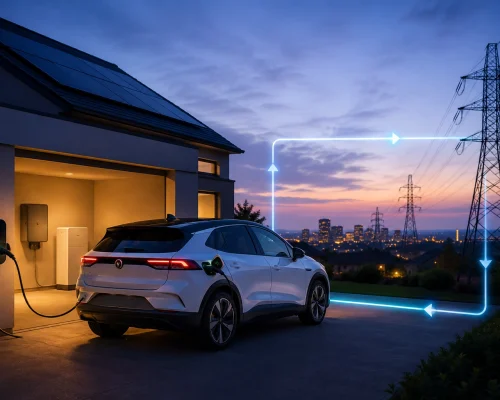
What Is Vehicle-to-Grid (V2G) Technology?
Vehicle-to-Grid technology is a form of bidirectional EV charging that allows electricity to flow in two directions between an electric vehicle and the power grid.
Traditionally, EVs draw electricity from the grid to charge their batteries. With V2G systems, the vehicle can also discharge stored electricity back into the grid when demand is high.
Think of your EV as a mobile battery storage unit. Instead of sitting idle while parked, your vehicle can become an active participant in the energy network, helping to balance electricity supply and demand.
For V2G to work, three key elements are required:
- A V2G-compatible electric vehicle
- A bidirectional charging station
- Smart software that communicates with energy suppliers and grid operators
Together, these technologies create a more flexible and responsive energy ecosystem.
How Does Bidirectional EV Charging Work?
Bidirectional EV charging relies on advanced charging equipment capable of both charging and discharging electricity.
The process typically follows these steps:
Charging During Low-Demand Periods
The vehicle charges when electricity prices are lower, often overnight when renewable energy generation may exceed demand.
Energy Storage
The EV battery stores surplus electricity, effectively functioning as a portable energy storage system.
Returning Energy to the Grid
When electricity demand increases, the smart charging system can export a portion of the battery’s stored energy back to the grid.
Financial Rewards
Many future V2G charging UK programmes are expected to compensate vehicle owners for supplying energy during peak periods.
This intelligent process helps reduce strain on the electricity network while creating additional value from EV ownership.
Why Vehicle-to-Grid Matters for the UK
The UK’s transition towards renewable energy presents unique challenges.
Unlike traditional power stations, renewable sources such as wind and solar are intermittent. Energy generation often fluctuates depending on weather conditions, making grid balancing increasingly complex.
Vehicle-to-Grid technology offers a practical solution.
With millions of EVs expected on UK roads in the coming years, their combined battery capacity could provide a vast distributed energy resource.
Potential benefits include:
- Supporting renewable energy integration
- Reducing pressure on national infrastructure
- Lowering reliance on fossil-fuel backup generation
- Improving energy security
- Enhancing grid resilience during peak demand periods
As EV adoption continues to grow, V2G systems could become a valuable component of the UK’s future energy strategy.
The Benefits of Vehicle-to-Grid Technology
Lower Energy Costs
One of the most attractive benefits for consumers is the opportunity to reduce electricity bills.
By charging during off-peak periods and exporting electricity when prices are higher, EV owners may be able to generate financial savings or even earn income through energy trading programmes.
Better Use of Renewable Energy
Vehicle-to-Grid technology helps capture excess renewable energy that might otherwise go unused.
Instead of curtailing wind or solar generation, surplus energy can be stored in EV batteries and released when demand rises.
Enhanced Grid Stability
As electricity demand fluctuates throughout the day, V2G systems can provide rapid support to maintain grid balance.
This flexibility can help prevent congestion and improve overall network reliability.
Increased Value from EV Ownership
Most vehicles spend over 90% of their time parked.
Vehicle-to-Grid systems transform EVs into productive energy assets, creating additional value beyond transportation.
Reduced Carbon Emissions
By enabling greater renewable energy utilisation and reducing dependence on fossil-fuel power plants, V2G technology can contribute to lower carbon emissions across the energy system.
Current Challenges Facing V2G Charging UK
While the future looks promising, several challenges must be addressed before widespread adoption occurs.
Limited Vehicle Compatibility
Not all electric vehicles currently support bidirectional EV charging. Although more manufacturers are introducing compatible models, availability remains relatively limited.
Charging Infrastructure Requirements
V2G systems require specialised bidirectional chargers that are generally more expensive than conventional EV chargers.
As technology advances and adoption increases, costs are expected to decrease.
Battery Degradation Concerns
Some drivers worry that frequent charging and discharging may accelerate battery wear.
However, ongoing research suggests that smart management systems can minimise battery impact and, in some cases, may even support battery health by optimising charge cycles.
Regulatory and Market Development
The UK energy market continues to evolve. Clear regulations, incentives, and standardised frameworks will be essential to unlocking the full potential of Vehicle-to-Grid technology.
The Role of Smart EV Charging
Smart EV charging forms the foundation of successful V2G implementation.
Unlike traditional charging systems, smart chargers can:
- Monitor electricity prices in real time
- Schedule charging automatically
- Respond to grid demand signals
- Optimise energy usage patterns
- Integrate with solar and battery storage systems
When combined with Vehicle-to-Grid technology, smart charging creates a highly efficient energy ecosystem that benefits homeowners, businesses, and grid operators alike.
For households investing in renewable technologies, combining EV charging with solar panels and battery storage can further increase energy independence and reduce electricity costs.
What Does the Future Hold for Vehicle-to-Grid?
Industry experts believe Vehicle-to-Grid technology will become increasingly important as EV adoption accelerates.
Future developments may include:
- More V2G-compatible vehicles
- Lower-cost bidirectional chargers
- Greater integration with home energy systems
- Enhanced smart grid infrastructure
- New financial incentives for EV owners
As the UK works towards net-zero emissions targets, EV energy storage could become one of the country’s most valuable energy resources.
Vehicle batteries represent an enormous untapped asset. By enabling millions of vehicles to participate in energy management, V2G technology has the potential to transform both transportation and electricity networks.
Final Words
Vehicle-to-Grid technology represents one of the most exciting developments in the electric vehicle industry. By allowing bidirectional EV charging, V2G systems can help reduce energy costs, support renewable energy integration, and improve grid stability.
Although challenges remain, ongoing advancements in vehicle compatibility, charging infrastructure, and energy market regulations are bringing this technology closer to mainstream adoption.
As the future of smart EV charging continues to evolve, Vehicle-to-Grid solutions could enable EV owners to become active participants in the UK’s energy transition.
If you’re considering an EV charger installation, contact McNally EV today. Our expert team can help you choose future-ready charging solutions designed to support the next generation of electric vehicle technology.
Frequently Asked Questions
Vehicle-to-Grid technology allows electric vehicles to both receive electricity from and return electricity to the power grid using bidirectional charging systems. This enables EV batteries to act as energy storage resources, helping balance electricity demand, support renewable energy integration, and potentially reduce energy costs for vehicle owners.
Traditional EV chargers only transfer electricity from the grid to the vehicle battery. Bidirectional EV charging allows electricity to flow both ways. This means stored energy can be exported back to the grid, used within a home, or shared with other systems, creating greater flexibility and efficiency.
Yes, Vehicle-to-Grid systems can potentially lower electricity costs. EV owners may charge during periods of low electricity prices and export energy during peak demand periods when rates are higher. Future energy tariffs and grid participation programmes could offer additional financial rewards for supplying stored energy.
No, not all electric vehicles currently support Vehicle-to-Grid functionality. V2G compatibility depends on both the vehicle’s battery system and charging technology. However, many manufacturers are developing bidirectional charging capabilities, and the number of compatible models is expected to grow significantly in coming years.
Modern V2G systems are designed with intelligent battery management technology that carefully controls charging and discharging cycles. While battery wear is a consideration, research indicates that properly managed bidirectional charging has limited impact on battery health and may even improve efficiency under certain conditions.
Renewable energy sources such as wind and solar often generate electricity at variable times. Vehicle-to-Grid technology stores excess renewable energy in EV batteries when production is high and releases it when demand increases. This improves renewable energy utilisation and helps stabilise the electricity network.
Several pilot projects and early-stage commercial programmes are already operating across the UK. While widespread adoption is still developing, advances in smart EV charging, energy market regulations, and bidirectional charging infrastructure are making Vehicle-to-Grid technology increasingly accessible for UK consumers and businesses.