
Why EV Charging at Home Is Becoming the UK Standard
Introduction: The Rise of EV Charging at Home
As electric vehicles become increasingly common on UK roads, EV charging at home is quickly emerging as the preferred solution for everyday drivers. With government targets accelerating the move away from petrol and diesel vehicles, homeowners are seeking reliable, cost-effective, and convenient ways to power their electric cars.
Rather than relying on public infrastructure, many UK households are choosing home EV charging to take control of their energy use, reduce running costs, and future-proof their properties. This shift represents more than a trend; it signals a new standard in domestic motoring and energy independence.
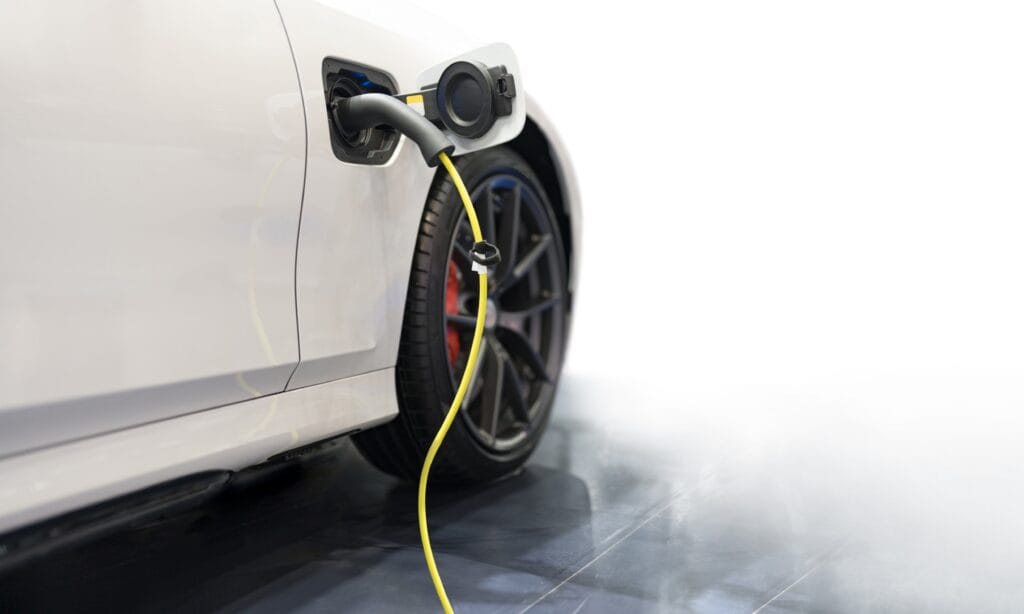
The UK’s Shift Towards Home EV Charging
The UK government’s commitment to net-zero emissions has driven rapid adoption of electric vehicles, with charging infrastructure playing a vital role. While public chargers remain essential, they often come with availability issues, higher costs, and slower charging speeds.
As a result, home EV charging has become the most practical option for daily use. Installing an electric car home charger allows drivers to charge overnight, wake up to a full battery, and avoid queues or unreliable public charging points. This convenience is a key reason domestic installations are now outpacing public reliance.
Why Home EV Charging Makes Sense for Homeowners
Unmatched Convenience
Charging at home removes the need to plan journeys around charging stations. With EV charging at home, your vehicle is ready whenever you are ideal for busy households and commuters.
Lower Charging Costs
Electricity tariffs for home use are typically cheaper than public chargers. Many homeowners combine domestic EV chargers with off-peak tariffs or solar energy to further reduce costs.
Faster and Safer Charging
A professionally installed home charger delivers faster charging speeds than a standard plug socket while meeting strict UK safety regulations.
Increased Property Value
Properties with home EV charging are becoming more attractive to buyers, particularly as EV ownership continues to rise across the UK.
EV Charger Installation UK: What Homeowners Should Know
When considering EV charger installation in the UK, professional expertise is essential. A certified installer ensures your charger complies with UK electrical standards, integrates with your existing system, and is optimised for long-term use.
At McNally EV, we provide expert home EV charger installation services across Yorkshire and beyond. Our tailored approach ensures homeowners receive the right charger for their vehicle, lifestyle, and energy usage.
Key considerations include:
- Charger power rating
- Smart charging capabilities
- Compatibility with your EV
- Integration with solar or battery storage
The Role of Smart Domestic EV Chargers
Modern domestic EV chargers are smarter than ever. Features such as app control, scheduled charging, and energy monitoring allow homeowners to optimise usage and reduce electricity bills.
Smart chargers also support grid balancing and future energy technologies. When combined with solar panel installations or battery storage solutions, homeowners can create a highly efficient, self-sustaining energy ecosystem.
Environmental Benefits of EV Charging at Home
Charging your EV at home, especially using renewable energy, significantly reduces carbon emissions. Solar-powered home EV charging enables drivers to use clean energy rather than grid electricity generated from fossil fuels.
This approach aligns with the UK’s sustainability goals while giving homeowners a tangible way to reduce their environmental impact without compromising convenience.
Why Home EV Charging Is Becoming the UK Standard
The rapid uptake of EV charging at home reflects changing consumer expectations. Drivers want reliability, affordability, and autonomy and home charging delivers all three.
As EV ownership grows and technology advances, installing an electric car home charger is no longer a luxury, it’s a practical necessity. For homeowners planning long-term, EV charger installation UK is a forward-thinking investment that supports both financial savings and sustainable living.
Conclusion: Future-Proof Your Home with EV Charging
The transition to electric vehicles is reshaping how we think about transport and energy. With home EV charging now becoming the UK standard, homeowners have an opportunity to stay ahead of the curve.
By investing in professional EV charger installation in the UK, you gain convenience, cost savings, and peace of mind while contributing to a greener future. Contact McNally EV today to discuss your domestic EV charging needs and take the next step towards smarter energy at home.
Frequently Asked Questions
Yes. EV charging at home is generally cheaper due to lower electricity tariffs, especially when using off-peak rates. Public chargers often include higher usage fees and connection costs, making home charging a more economical long-term option.
Most EV charger installation UK projects are completed within one day. Installation time depends on your electrical setup, charger type, and any additional upgrades required, all assessed during a professional site survey.
Absolutely. Pairing an electric car home charger with solar panels allows you to charge your EV using renewable energy, reducing both carbon emissions and electricity bills.
Yes. Professionally installed domestic EV chargers are designed to meet UK safety standards, offering secure, faster charging compared to standard plug sockets.
In most cases, no planning permission is required. However, listed buildings or properties in conservation areas may need approval before installing home EV charging equipment.
Most homeowners choose a 7kW charger, which balances charging speed and compatibility. A qualified installer will recommend the best option based on your vehicle and household supply.
Yes. As EV ownership rises, properties with home EV charging are increasingly desirable, making a domestic charger a smart investment for future resale value.