
Top Budget Tips for Electric Vehicle Owners: Cut Charging Costs & Drive Smarter
Owning an electric car is one of the smartest financial decisions you can make, especially when you optimise how and when you charge it. From choosing money-saving energy tariffs to investing in smart charging technology, there are dozens of ways to reduce running costs. One of the most effective is home EV charger installation, which gives you control, convenience, and the lowest cost per mile.
In this guide, we’ll break down practical, real-life budget tips for EV owners, explain how to unlock the cheapest charging rates, and show how installing a home EV charger can help you make the most of your electric vehicle.
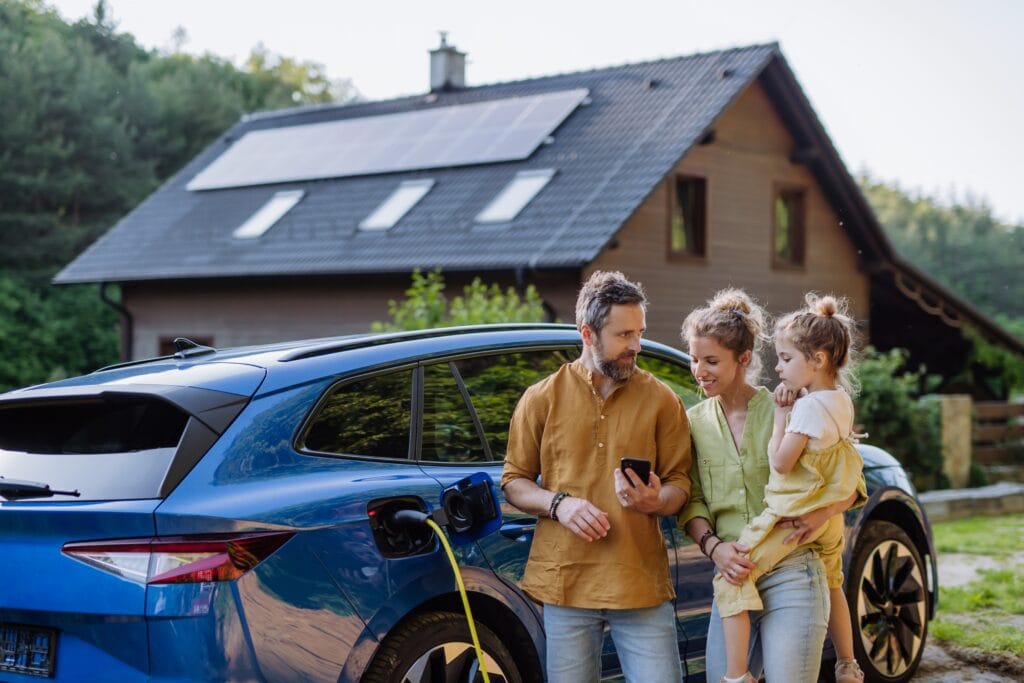
Why Home EV Charger Installation Helps You Save More
When you rely solely on public chargers, you’re often paying far higher rates, sometimes 3–4x more than charging at home. A home EV charger installation not only cuts your cost per kWh but also gives you:
- Access to cheaper off-peak EV tariffs
- Faster and safer charging
- Integration with solar panels or battery storage
- Full control over your charging schedule
- Smart data insights to monitor energy use
McNally EV offers expert, OZEV-approved home charger installations across the UK. Learn more here:
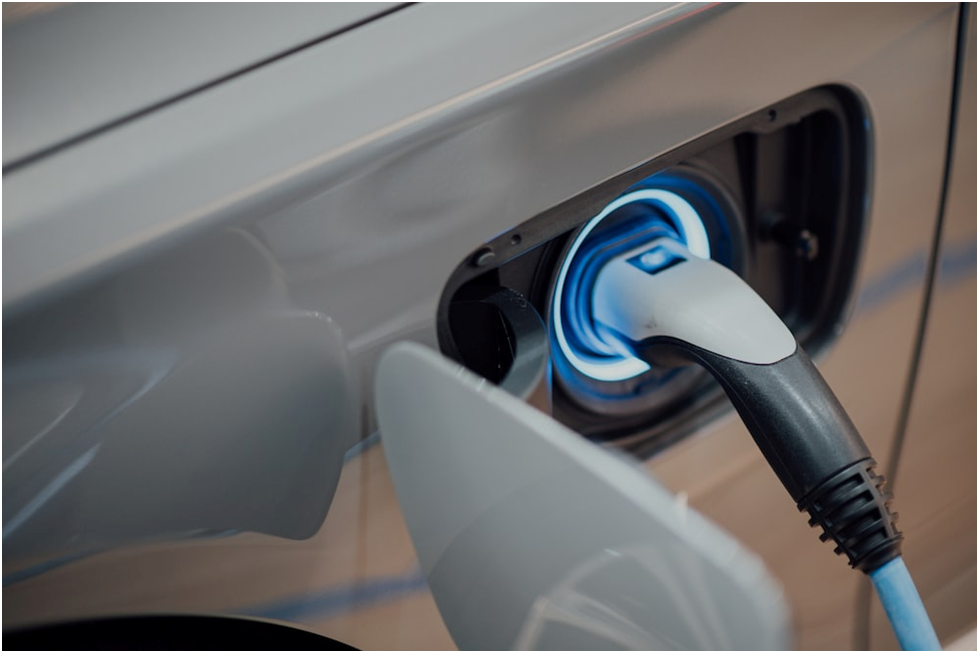
Budget Tips to Reduce Your Daily EV Charging Costs
Below are cost-saving strategies every EV owner can use—whether you drive a Tesla, Nissan Leaf, Audi e-tron, or any other electric vehicle.
1. Use Off-Peak EV Energy Tariffs for Cheaper Charging
EV drivers can cut their charging costs by up to 60% by switching to an EV-friendly energy tariff. Many suppliers offer discounted overnight rates -perfect for home charging.
High-volume related keywords naturally integrated:
- EV energy tariffs
- cheap EV charging at home
- off-peak charging rates
To maximise savings:
- Compare time-of-use tariffs
- Charge between midnight and 5am for the lowest rates
- Use a smart charger to automate charging during cheap periods
If you’re planning to pair your EV with renewable energy, explore our solar solutions.
2. Install a Smart Home EV Charger
Smart charging is one of the easiest ways to reduce your monthly energy bills. Smart chargers monitor real-time energy prices, automatically beginning charging when electricity is cheapest.
Benefits include:
- Automated low-cost charging
- Reduced strain on your home’s electrical system
- Detailed energy usage reports
- Compatibility with solar panels and battery storage
Looking to enhance your home energy setup? Visit out our battery storage solutions.
3. Avoid Expensive Public Rapid Chargers When Possible
Public rapid chargers are convenient—but they are also the most expensive way to charge.
Typical costs comparison:
- Home charging: 8–12p per mile
- Public rapid charging: 25–70p per mile
Use public chargers only when:
- You’re on long journeys
- You cannot access home or workplace charging
- You need a quick top-up
Installing a home EV charger ensures affordable daily charging and reduces your reliance on premium-priced rapid chargers.
4. Combine Your EV Charger With Solar Panels
If you want to cut your charging costs close to zero, pairing your EV with solar is the ultimate combination. With solar, you can generate and use your own renewable electricity.
Benefits of solar-powered EV charging:
- Zero-cost charging during peak sunlight
- Lower carbon footprint
- Greater independence from rising energy prices
- Eligible for smart export incentives
5. Use Scheduled Charging to Avoid Peak Prices
Even if you’re not on a special EV tariff, there are still times of the day when energy is cheaper. Most energy suppliers publish peak and off-peak rates.
To maximise savings:
- Avoid charging between 4pm–7pm
- Charge late evenings or overnight
- Use your charger’s scheduling function
Scheduled charging also helps prolong battery life, improving long-term savings.
6. Drive More Efficiently to Reduce Energy Consumption
EVs are generally much cheaper to run than petrol or diesel vehicles, but smart driving habits can reduce your charging frequency even further.
Money-saving habits include:
- Smooth acceleration
- Regenerative braking
- Maintaining proper tyre pressure
- Avoiding unnecessary weight in the car
Smaller efficiency improvements can have a big long-term impact on battery use and charging costs.
7. Take Advantage of Workplace Charging Where Available
Many employers now offer free or discounted EV charging for staff. This can significantly reduce how often you charge at home.
If you’re a business owner looking to offer EV charging at your workplace, view our commercial services:
Wrapping Up
Cutting your EV charging costs doesn’t have to be complicated. With the right strategies—smart tariffs, efficient driving, solar integration, and most importantly, a home EV charger installation—you can significantly reduce your running costs and take full control of your energy use.
A professionally installed home charger unlocks cheaper charging, faster speeds, and smarter energy management. At McNally EV, we’ve completed more than 20,000 installations nationwide, helping drivers charge smarter and save more every day. Contact McNally EV today to schedule your home EV charger installation and start saving with smarter, more efficient charging.
Frequently Asked Questions
The cheapest way to charge at home is using a dedicated EV charger with an off-peak tariff. Overnight rates are far lower, allowing you to charge your EV for a fraction of daytime or public charging costs.
Installing a home EV charger helps you save 30–60% a year by avoiding expensive public rapid chargers. When paired with smart tariffs or solar energy, savings increase further, reducing long-term running costs.
You don’t need a smart charger to access EV tariffs, but it makes saving easier. Smart chargers automatically schedule charging during cheap off-peak hours, helping you reduce energy costs without manual settings.
Yes, solar panels can charge your EV using clean, low-cost energy. Excess solar power generated during the day can be used directly or stored in a battery, helping cut grid reliance and reduce charging expenses.
Home EV chargers are very safe when professionally installed. They include built-in protections like surge control and load balancing, ensuring reliable charging and preventing electrical issues in your property.
Most home EV charger installations take around 2–3 hours. Engineers test your electrical supply, mount the charger, run necessary cabling, and complete safety checks to ensure everything works correctly and safely.
Choose an EV charger based on speed, smart features, your vehicle’s capacity, and future plans like solar integration. A professional installer can assess your setup and recommend the most efficient, cost-effective option.