
As the UK shifts towards greener living, more homeowners are looking to integrate electric vehicles (EVs) into their smart homes. From smart EV chargers to automation tools and energy-saving features, building a smart EV charging home is easier—and more rewarding than ever.
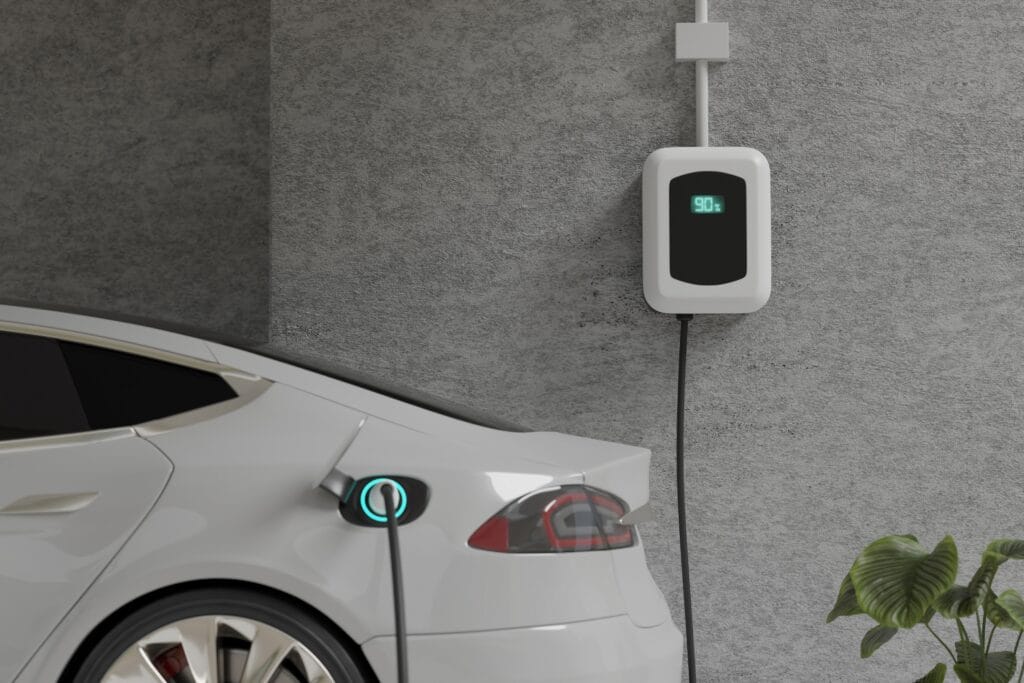
Connect Your EV to Your Smart Home for Seamless Control
Imagine pulling into your driveway and your home automatically begins charging your EV during off-peak hours, powered partly by your solar panels and managed via your phone or voice assistant. Smart EV charging doesn’t just offer convenience it maximises efficiency, reduces costs, and supports the UK’s growing smart grid.
Why Choose a Smart EV Charger?
Smart EV chargers are at the heart of any connected home charging system. These devices allow you to:
- Schedule charging during cheaper, off-peak hours
- Monitor energy consumption in real-time
- Integrate with EV apps and home automation platforms
- Prioritise green energy from solar panels or the grid
Brands like MyEnergi Zappi, Ohme, and Wallbox offer models that work seamlessly with your smart home setup in the UK.
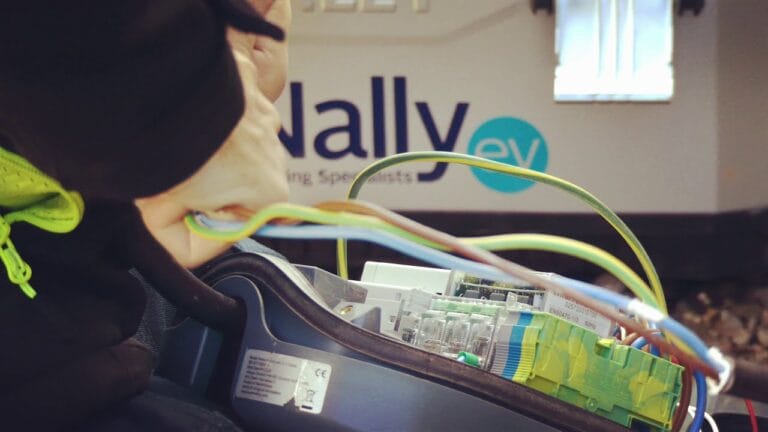

Home Automation and EV Charging
Using automation tools like IFTTT, SmartThings, or Home Assistant, you can program your smart home to manage charging schedules, send alerts, or even stop charging when your tariff rate increases. For example:
- Using Alexa with EV charging: Voice-activate your charger or check charging status hands-free
- Setting up EV automation in the UK: Link your charger with energy tariffs like Octopus Go or Intelligent Octopus for cost-saving benefits
Integrating with Solar Panels and Battery Storage
To maximise energy efficiency, many UK homeowners combine their smart EV charger with solar panel installations and battery storage solutions. This setup allows you to:
- Charge your EV using solar energy
- Store excess power in a home battery for use during peak hours
- Participate in the smart grid to sell excess energy back to the grid
McNally EV specialises in full-service smart home installations, helping you integrate EV charging with renewable energy systems effortlessly.


Smart Energy UK: Staying Ahead of the Curve
As part of the smart energy UK movement, building a smart EV charging home ensures you’re future-ready. Benefits include:
- Lower electricity bills through smart tariff integration
- Real-time energy tracking and management
- Enhanced property value through modern energy systems
Government incentives and energy suppliers are increasingly supporting smart home UK upgrades, making this the perfect time to invest.
Energy-Saving Tips for EV Homes
Want to make your EV home setup even more efficient? Try these tips:
- Use automation to charge during off-peak rates
- Monitor your energy use via EV apps
- Combine charging with solar and battery storage
- Enable load balancing to prevent overloading your home electrical system
- Upgrade to a future-proof charger compatible with home energy management systems
Wrapping up
Building a smart EV charging home isn’t just a tech-savvy upgrade, it’s a practical, sustainable investment. By integrating smart EV chargers, home automation, and renewable energy systems, UK homeowners can take full control of their energy use and support the growing smart grid. Ready to future-proof your home? Contact McNally EV today to explore smart EV charging solutions tailored to your lifestyle.
EV Charger - Testimonial
McNally EV installed our EV charger and we couldn’t be happier.
From quotation to installation, a seamless process. Nicky and his team were able to offer us advice on the best system for us, using the British Gas free charging tariff and his installation team were both helpful and accommodating, arriving on time and completing a super neat installation.
We would highly recommend.
Sean Wilkinson
Google Review
FAQs About Installing An EV Charger At Home
Most smart EV chargers can be connected to your home automation system via Wi-Fi, a dedicated app, or platforms like SmartThings and Home Assistant. McNally EV can help with seamless integration.
In most cases, no planning permission is required if the charger is installed on a wall or stand within your property. However, listed buildings and conservation areas may have restrictions.
Yes, many modern smart EV chargers support voice assistants like Alexa and Google, allowing you to start, stop, or monitor charging with simple voice commands.
No, but solar panels greatly enhance energy efficiency. Smart EV chargers work independently but pair well with solar and battery storage solutions for greener charging.
EV apps let you track energy usage, schedule charging during off-peak hours, and receive alerts or remote controls all from your smartphone.
Costs vary based on the model and integration level, but government grants and McNally EV’s expert installation services make it affordable for most UK homeowners.
A smart grid allows two-way communication between your home and the energy provider, helping you optimise charging for cost and sustainability.
You can save money by using time-of-use tariffs (charging overnight at lower rates), integrating solar power, and using a smart charger to optimise energy usage.